

Shopify loyalty programs have undergone a significant shift over the years. From traditional points-based structure to a more comprehensive experiential shift.
Loyalty programs have become more complex and sophisticated. And customers expect engaging programs that go beyond transactions.
This brings us to experiential loyalty programs, changing programs from transactional to emotional, making customers feel more understood, seen, and connecting at a deeper level.
In this blog, we look at 12 strategies to create experiential loyalty programs for your Shopify store.
Let’s get started!
A quick snapshot of strategies in this blog
- Emotional loyalty is more important than transactional loyalty – Relationship-based programs drive higher retention because customers want meaning, not points.
- Experiences replace discounts as primary value drivers – Events, early access, and exclusive content provide higher perceived value at lower cost than traditional discounts.
- Rewards tied to advocacy, not just purchases – Rewarding content creation, referrals, UGC, and reviews makes behavioral engagement more valuable than spend-based mechanics.
- Brand values and purpose take center stage in experiential loyalty programs – Sustainability actions, charitable redemptions, and cause-based rewards create deeper emotional connections beyond products.
- Personalization shapes the loyalty journey – Customized milestones and dynamic offers reduce generic, one-size-fits-all engagement and increase relevance.
- Tiered systems leverage status and recognition – Psychological motivation from status, not discounts, drives engagement while visible tiers deepen emotional connection.
- Exclusive communities become loyalty assets – Access to closed groups, forums, and VIP clubs creates belonging and differentiation that goes beyond transactions.
- Hybrid models blend digital and physical experiences – Combining digital perks (content, tools) with physical perks (products, events) meets customers where they are.
- AI enables real-time loyalty engagement – Instant reward recommendations and predictive perks for at-risk customers transform programs into intelligent relationship engines.
- Multi-brand ecosystems expand value – Customers want redemption variety, and multi-brand earn-and-burn partnerships increase the perceived value of each point.
- “Surprise and delight” moments create memorable experiences – Unexpected gifts and milestone recognition make customers feel valued and understood as individuals.
- Loyalty becomes relationship infrastructure – No longer an add-on, experiential loyalty is now the backbone of customer retention and brand experience.
12 strategies to build experiential loyalty program for your Shopify store
To attract and engage modern consumers, you need to think beyond points and discounts. Integrate these experiential strategies into your loyalty program for a wholesome experience.
1. Emotional loyalty becoming more important than transactional loyalty
Traditional loyalty programs are simple. Customers make purchases, earn points, and redeem them. But this transactional nature of loyalty doesn’t work anymore. Points-based programs don’t do much to engage customers.
What drives more engagement and retention is emotional connection. Customers love meaning and connection, brands that understand them and their needs. Customers that connect emotionally with brands tend to have a higher lifetime value and stick with brands for a longer time.
2. Experiences replacing discounts as core value drivers
Innovative brands know that experiences increase the perceived value of reward programs compared to traditional discounts-based programs. For instance, experiences such as events, early access to new products and collections, exclusive content, and behind-the-scenes experiences create memorable moments.
Customers might forget a 15% discount within no time because all brands offer discounts. However, it’s hard to forget a private event exclusively for customers. Experiential programs appeal more to customers because they transform passive customers into active participants with deeper engagement.
Experiential loyalty programs have replaced transactional and points-focused programs. Today, modern customers see more value in brands that combine sustainability, support for various causes, environment-friendly initiatives, community feelings, etc.
3. Rewards tied to advocacy, not just purchases
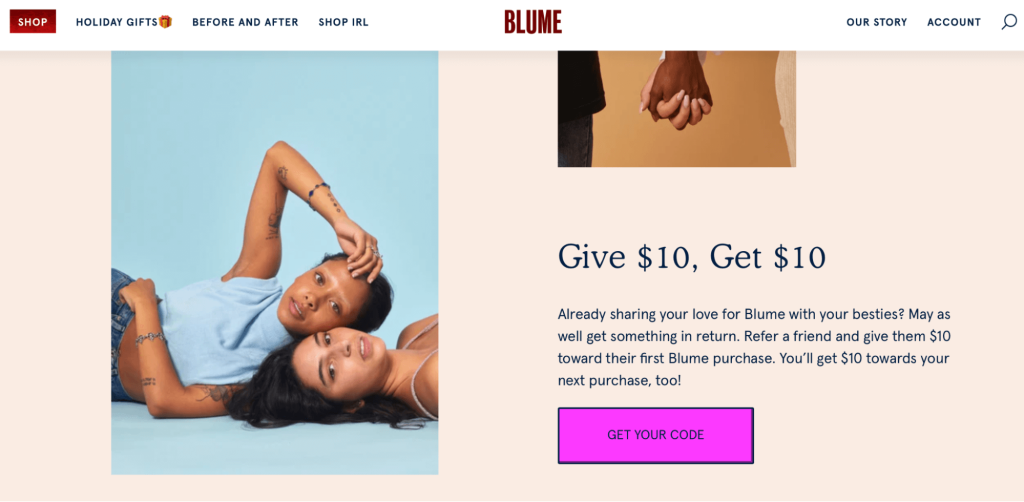
While brands reward customers, customers too have a lot to offer to brands if the program is designed well. For instance, customers can offer a lot to brands by way of user-generated content, sharing reviews, referrals, and advocating for the brand. New referrals shared by loyal customers add a lot of value to brands because they are likely to engage more.
Customers do not always have to add value by way of purchases and transactions. They can also bring value to brands by more engagement, share content on social media, participate in customer communities, discussion forums, etc. Forward-thinking brands are creating loyalty programs that focus on engagement more than sales.
4. Greater emphasis on brand values and purpose
Today’s consumers prefer to buy from brands that match their values and purpose. For example, brands that support causes, incorporate sustainability elements, enable customers to donate rewards for charity, etc., create emotional connections that go beyond products and money.
Many brands offer options to donate reward points, collaborate with non-profit organizations, etc. Such elements create emotional bonds because it positions brands as a thoughtful entity, rather than just a brand that engages in selling products or services. Brands that pay attention to value and purpose also tend to stand out from the crowd.
5. Personalization shaping the loyalty journey
Brands offering the same loyalty perks and benefits to all customers see lesser engagement compared to those that offer personalized experiences. Brands can create experiential programs by using data analytics to understand customers better. Brands can use data to personalize milestones, personalized offers and benefits, and individual rewards strategies based on individual customer preference and behavior.
Personalization also involves identifying when customers are at risk of churning and proactively creating processes to re-engage them. For instance, automating churn management using the Shopify loyalty app, setting up automated rewards, and proactive relationship-building.
6. Tiered loyalty systems tied to status and recognition
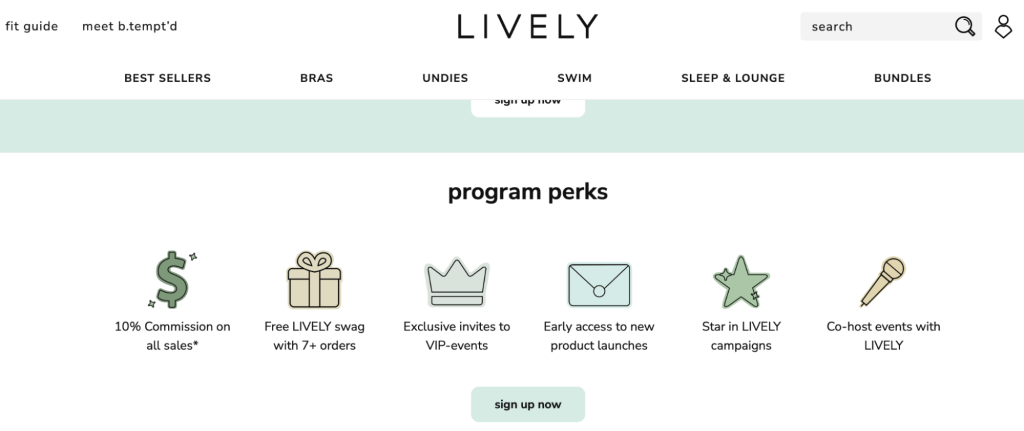
We human beings are wired to feel good when we are given status, more than when we are given discounts. That brings us to tiered loyalty programs. Tiered programs create hierarchies or levels, encouraging customers to achieve more, progress to higher tiers, and belong to exclusive groups.
Tiere-based loyalty programs, for example, Silver, Gold, and Platinum, with specific and clear benefits for each tier have a psychological impact that encourages customers to engage more. Customers want to earn more points, and progress to higher levels.
The key to a successful tier-based loyalty program is to ensure higher tiers offer differentiated experiences. Loyal customers also share their loyalty experience on social media, display their badges on profiles, share milestones, and experience visible recognition. This transforms loyalty from a private transaction to a community connection.
7. Exclusive communities emerging as loyalty assets
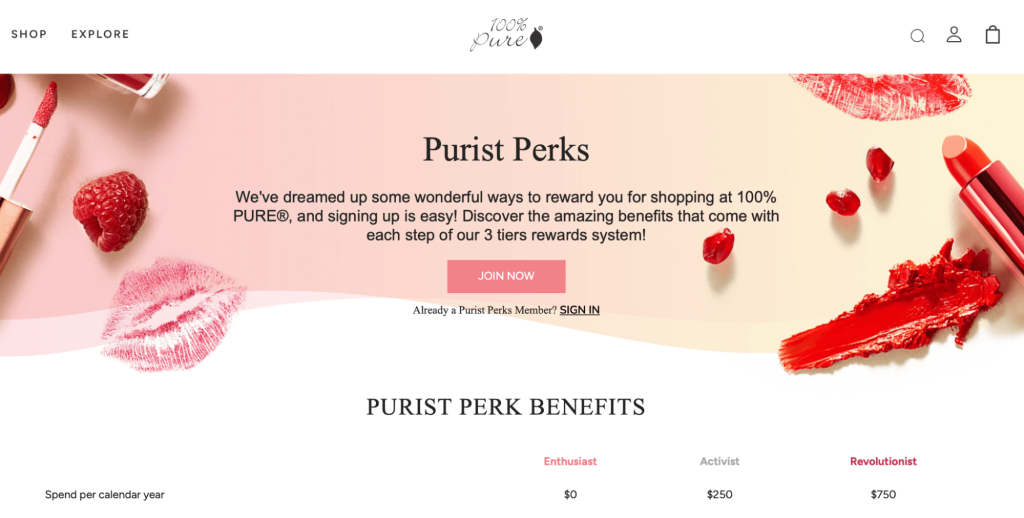
When customers feel like they belong to an exclusive group with other like-minded people, it instantly enhances their experience and brand perception. For example, VIP clubs, closed forums, and online groups can create a sense of belonging and differentiation.
Some ways to offer community experience are: create brainstorming sessions for customer communities for product development, organize exclusive discussions, share exclusive content, and other such activities where customers can genuinely participate. Moreover, this peer-to-peer value creation keeps increasing the perceived value of the loyalty program.
8. Hybrid loyalty models: digital + physical experiences
Another way to create experiential loyalty programs is to design hybrid models, which offer physical and digital experiences. For instance, hybrid loyalty programs might offer perks such as exclusive content, tools, and virtual experiences alongside physical benefits such as products, events, etc. Modern customers have both a digital and physical presence and appreciate hybrid experiences.
Other ways to create hybrid loyalty programs is to offer early access to online releases, virtual consultations, educational content, and digital tools that enhance the physical product usage. Add to these, exclusive invitations to events, in-store experiences, limited-edition products, and personalized services.
Creating hybrid loyalty programs also provides opportunities to lower costs with digital experiences. The combination creates more value for members. Improving value perception is a key ingredient in experiential loyalty programs.
9. Real-time loyalty engagement using AI
AI has changed the way customers engage with brands. It enables real-time and dynamic engagement engines through instant reward recommendations based on real-time customer behavior. AI also involves predictive perks for at-risk customers, and personalized experiences that adapt continuously to changing customer needs and contexts.
With AI, brands can identify special moments as they happen while customers are interacting on various platforms, and create instant rewards to celebrate customer milestones. For instance, brands can identify when a customer is browsing products but not yet buying. Brands can create instant discount offers to encourage customers to make purchases.
AI systems can also predict which customers are likely to churn and automatically deploy retention strategies, such as offering discounts, rewards, interacting with them to understand what they want, etc. This sort of real-time proactive approach transforms simple loyalty programs into intelligent relationship-focused experiences.
10. Multi-brand earn-and-burn ecosystems growing
Certain aspects such as flexibility and multiple choices enhance customer experience. And one way to add these elements is through multi-brand loyalty programs. Multi-partner structures can provide more opportunities for experiential loyalty programs by enabling customers to earn more points, redeem points across multiple brands, and enjoy variety that comes with various different brands.
While customers enjoy multiple benefits and more opportunities to earn and redeem points, brands too benefit more. Brands get a better reach from the different partner brands, more cross-selling opportunities, and manage loyalty program costs as it gets divided between brands.
11. High-value surprise and delight moments
Adding surprise and delight moments can enhance experiential loyalty programs. For instance, sending surprise gifts, celebrating customer milestones by offering rewards, and other such simple surprises can add an element of excitement. Moreover, customers get a feeling that the brand understands and values them.
Some ways to create surprise and delight moments are to send personalized gifts on birthdays and anniversaries, and make customers feel seen as individuals. When designed well, surprise and delight moments can engage customers, increase brand referrals, and enhance the overall loyalty program experience.
12. Loyalty evolving into long-term relationship infrastructure
Loyalty programs have now become the backbone of eCommerce brands. They are no longer an add-on element, but rather, a major part of the whole brand experience. That is why, brands that embed loyalty programs into every touchpoint see greater success with loyalty programs.
This approach also influences business decisions, playing a key role in the brand experience. For instance, product development teams have to think about how new features will influence engagement, and service teams have to understand how to build deeper emotional bonds with customers by providing meaningful support.
When experiential loyalty programs become an integral part of the brand infrastructure, it forms a more customer-centric model, creating consistent experiences that compound over time.
How to set up an experiential loyalty program for your Shopify store?
Setting up experiential loyalty programs is more than just offering more rewards and points. It is about taking a strategic and tactical approach to the entire business structure.
Having a comprehensive Shopify loyalty app can make it easy to set up and manage experiential loyalty programs. For instance, it can automate repetitive processes, offer personalized rewards in real-time, create more opportunities for customer interaction, and manage churn, among other things.
If you’re trying to build an experiential program for your Shopify store, you are already ahead of your competitors. And you can get started easily with the help of Appstle Loyalty & Rewards App.
Install Appstle Loyalty & Rewards App in your Shopify store today!