Ecommerce brands that sell wellness subscriptions often face the challenge of cancellations because customers don’t see results fast enough.
The reason for cancellations is that most times customers don’t know how to use the products in the best possible manner.
So what’s the solution to this issue?
Creating a better subscription experience can lead to higher retention and recurring orders. And that’s what brings us to product + coaching subscriptions.
In this blog, we explore everything you need to know to build, price, and scale this model, whether you’re just exploring the idea or ready to launch.
Let’s begin!
Key ideas in this article
- Wellness subscription brands lose customers because buyers don’t know how to use products effectively. Pairing products with coaching solves this.
- Coaching models come in several formats: supplement + consultant check-ins, fitness gear + structured programs, or wellness kits + community groups.
- Coaching boosts retention through three mechanisms: accountability loops, personalized support, and community belonging.
- Pricing can be structured as a flat bundle, tiered levels (product-only, group coaching, 1:1), or coaching as an optional add-on.
- You’ll need three core tools in sync: a scheduling tool, a content-gating platform, and a subscription billing system.
- Best-fit niches are supplements, fitness, mental wellness, and nutrition.
- Key risks to manage: coaching scalability, inconsistent quality, and unclear value communication to customers.
- Track coaching engagement rate, renewal rates by tier, and customer-reported outcomes to measure success.
Why wellness needs more than products
Here’s the truth: there’s hundreds of options for products, such as supplements, fitness gear, and wellness kits. Brands are competing with each other by sharing reviews, better packaging, ads, etc.
So here’s the thing that you can do for your wellness subscription strategy: ensure customers get a good experience, feel better, and see results from your wellness products. For instance, their goal could be to sleep better, lose weight, manage stress, have more energy, etc. If your subscription doesn’t help them achieve these goals, they’ll churn.
The solution: Pair your product with coaching and educational content. Customers will perceive you differently, stay longer, and will be willing to pay more.
What product + coaching models actually look like
Product and coaching subscriptions are flexible. Here are some formats that you could try in your Shopify store.
1. Supplement + monthly consultation
Deliver products as usual, but add a video or phone check-in with a health coach, nutritionist, or certified specialist. In this session, review subscriber progress, adjust dosage, timing, and answer questions. By doing this, you can make customers feel heard, guided, and the personalized approach increases retention.
2. Fitness program + equipment
Deliver fitness products, such as resistance bands, foam rollers, jump ropes, etc., and send a structured workout program. Also provide Q&A sessions, or expert-led group workout options. This way, you can make the products a part of the whole experience.
3. Wellness kit + community group
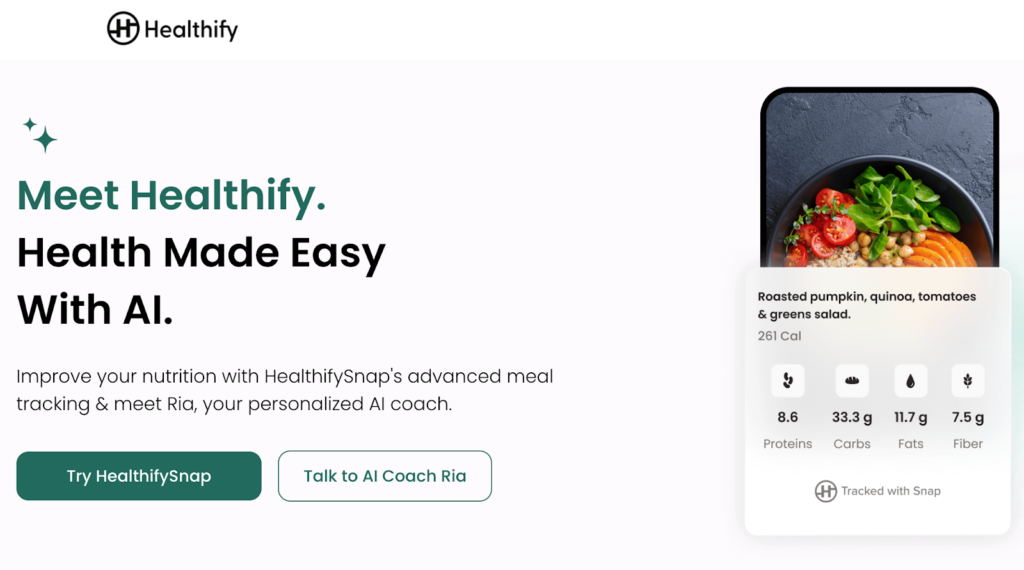
If you offer a subscription plan related to stress management, sleep, or holistic wellness, deliver a curated product kit and create a private community for subscribers. Provide a coach or a moderator, regular check-ins, Q&As, and activities that keep subscribers engaged. Here, the product is the anchor, while the other activities add personalization and drive renewals.
How coaching increases retention
Here’s how including coaching within subscription can increase retention rate.
The accountability loop
When subscribers know someone is tracking their progress, they’re more likely to use the product consistently. Consistent use leads to results and results lead to renewal. This is a simple loop. However, many subscription brands miss it entirely because they focus on acquisition and ignore retention.
Personalized support
Generic subscription boxes feel forgettable. But imagine a coach who remembers that the subscriber is training for a half-marathon or managing thyroid issues? That’s memorable. Even light personalization, such as a coach referencing a customer’s last session, builds a level of loyalty that no referral discount can replicate.
Community reinforcement
It’s human nature. We stick with behaviors longer when we feel we belong to a group of people with shared goals. For example, a private Slack channel, a WhatsApp group, or a community forum where subscribers share wins and ask questions keeps your brand top of mind every single day.
Pricing structures that work
Pricing a product + coaching bundle should be strategic. If you underprice, you devalue and if you overprice, it might reduce conversions. Here are three pricing approaches to use in your wellness subscription strategy.
Flat bundled pricing
In a flat bundle pricing, one price covers the product and coaching together. It is simple to communicate, and easy to sell. This works well when your coaching offering is standardized, for example, one group call per month or a pre-recorded program, for instance, $79/month includes your supplement stack + access to a monthly group Q&A.
Tiered coaching levels
Offer two or three subscription tiers. Your base tier is product only. Mid-tier adds group coaching or community access. And the top tier includes one-on-one sessions. This model lets you capture different customer segments and naturally creates an upsell path. Many customers start at base and upgrade once they see results or want more support.
Add-on coaching access
Keep your existing subscription as is and offer coaching as an add-on at checkout or within the subscriber portal. This is the lowest-risk way to test the model. You’ll quickly see what percentage of your base values coaching enough to pay extra for it. Use data before you invest in building it out fully.
Operational setup: what you actually need
Coaching-based eCommerce models require many tools to work in sync. Here’s the technological setup you need to get started with a product and coaching subscription model.
Scheduling tools
For one-on-one or small group coaching, use a booking tool like Calendly, Acuity, or Cal.com. Integrate it into your subscription portal or post-purchase flow so booking feels seamless.
Content gating
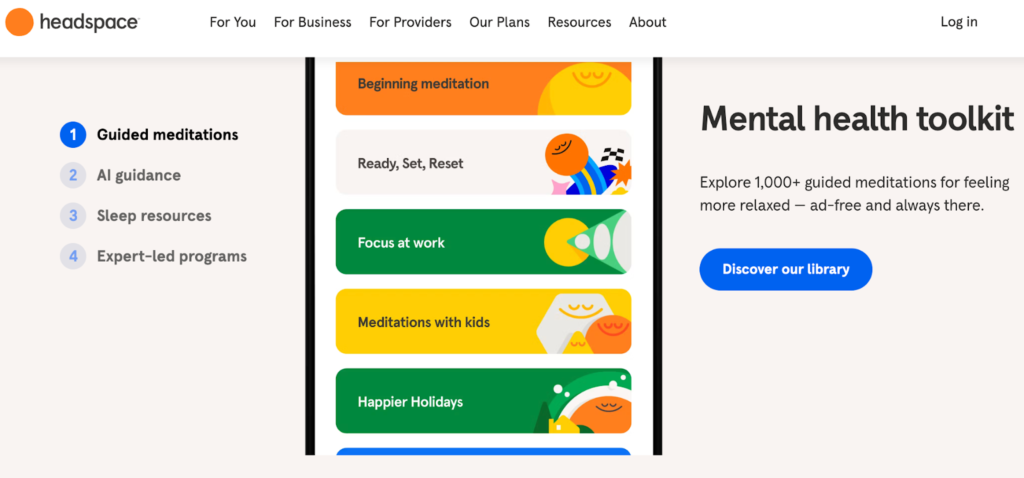
If your coaching includes pre-recorded resources, such as workout videos, nutrition guides, mindfulness sessions, host them on a platform like Kajabi, Thinkific, or even a private section of your Shopify store. Tie access to active subscription status so content gates automatically when someone cancels.
Subscription billing sync
Ensure your billing platform, for example Appstle Subscriptions App, communicates with your coaching access system. When a subscriber’s payment fails or they cancel, their coaching access should pause or end automatically.
Tip: Sync these three systems for a smooth and seamless subscription product and coaching subscription model.
Which niches are best positioned for this model
Coaching-based eCommerce models work well for the following niches.
1. Supplements
Supplements offer a huge opportunity because the education gap in this field is wide. Customers often have no idea how to optimize timing, dosing, or combinations. A coach bridges that gap and dramatically improves the chance they feel a difference, which is a big reason customers renew.
2. Fitness
Fitness and subscription models work well. As the equipment subscriptions already exist, adding structured programming and coaching accountability transforms a box of gear into a training partnership.
3. Mental wellness
Subscription boxes for stress, sleep, or mindfulness combined with therapist-led group sessions or coach check-ins are powerful.
4. Nutrition
Subscriptions such as meal planning, specific dietary protocols, weight management, etc., benefit enormously from personalized coaching. A dietitian or nutrition coach who helps subscribers actually apply what they’re receiving turns a meal kit or supplement into a transformation program.
Risks and what to watch out for
When designing a product and coaching subscription model for your Shopify store, watch out for these risks.
1. Scalability of coaching
One-on-one coaching doesn’t scale easily. If your model relies on personal sessions, growth will be capped by your coaches’ time. Plan early for how you’ll move from 1:1 to group formats, asynchronous support, or AI-assisted coaching tools as your subscriber base grows.
2. Maintaining quality
Coaching quality varies. If you’re hiring coaches or practitioners, build a clear onboarding process, define what good coaching looks like in your context, and gather subscriber feedback regularly. A poor coaching experience doesn’t just lead to cancellation, it can damage your brand reputation.
3. Clear value articulation
Customers need to understand what they’re getting before they buy. Hence, be specific. For example, “Monthly 30-minute video call with a certified nutrition coach + access to our private subscriber community.” Clarity brings confidence and conversions.
Metrics that tell you if it’s working
Here are some aspects to track and measure to succeed with your wellness subscription strategy.
Coaching engagement rate
Track and measure the percentage of subscribers who use the coaching each month. Low engagement is a warning sign. Find out why subscribers are not showing up in training sessions and address the issues before churn.
Subscription renewal rate (by tier)
Track renewal separately for different segments. For instance, subscribers who use coaching versus those who don’t. You’ll find that engaged coaching users renew at a much higher rate. This data helps you justify the investment and guides your upsell strategy.
Customer outcome tracking
Ask subscribers periodically: are you seeing the results you were hoping for? Simple surveys, NPS follow-ups, or coach-reported progress notes give you outcome data. Customers who report progress renew. Tracking this also helps you improve your coaching program over time.
How to set up a product and coaching subscription model?
The wellness subscription industry is highly competitive. Products alone aren’t enough to keep customers engaged. Adding coaching to your subscription adds a structural advantage. It reduces churn, increases perceived value, opens up higher pricing tiers, and turns customers into loyal advocates.
To set up and manage a coaching-based eCommerce model, you need a smart tool, such as Appstle Subscriptions App. The App automates numerous repetitive tasks, adds personalization, billing, and marketing features.
Install Appstle Subscriptions App in your Shopify store today!