
The eCommerce space is flooded with subscription boxes. Brands are offering curated mystery boxes tailored to customers’ preferences, across industries.
One of the more engaging and popular subscription boxes is the mystery subscription box. In this type of subscription box, there is a surprise element, as customers receive surprise items.
In this blog, we look at 15 best mystery subscription box examples and explore why they are popular and what we can learn from these examples.
Read on!
What is a mystery box subscription?
A mystery subscription box is a curated box with surprise items. Subscribers do not know what products they’re going to receive in the box. A mystery box functions on the principle of surprise as its subscribers do not know the contents of the box. They get to see the products only once the subscription box is delivered.
The eCommerce market is flooded with mystery box examples from across industries.
All kinds of brands with various products and services are offering mystery boxes. For instance, FMCG, fashion and apparel, books, beauty, fitness, etc. Moreover, these mystery boxes are customized to individual customers’ preferences and interests.
Why mystery box subscriptions are still growing in 2026
The popularity of mystery boxes is increasing. Here are some reasons why eCommerce brands are doubling down on mystery box subscriptions.
The psychology of surprise
Mystery boxes are based on the principle of surprise. Customers wait to open the box, the excitement releases dopamine, there’s pleasure, and emotions around novelty and discovery. Today’s customers expect experiences more than just products and services. Mystery boxes create that psychological effect. Moreover, these experiences often turn into social media posts, memories, and conversations.
Mystery boxes work well in saturated eCommerce markets
The eCommerce market is saturated. There are hundreds and thousands of products. And every brand offers the same products. Customers often face the ‘paradox of choice’. In such a scenario, mystery boxes solve the decision paralysis problem for consumers. Mystery boxes are curated with products and services. Moreover, brands personalize boxes to make the purchase more relevant to customers.
Shift from cheap curated boxes to premium mystery experiences
From creating mystery boxes to clear unsold stock to curating thoughtful premium experiences, the mystery box eCommerce market has seen a noticeable shift from the early 2010s to 2026. Today’s mystery boxes emphasize quality over quantity. eCommerce brands position them as expertly curated boxes. Brands also provide details about sourcing, quality, and transparency.
Brands use mystery boxes to increase AOV
Mystery boxes provide many solutions to eCommerce brands. One of them is increasing the average order value. As boxes have more than just one product, customers tend to buy more with every order. Moreover, when brands offer a discount on the box, as a bundle, its sales potential increases. Another thing brands do is use mystery boxes as opportunities to introduce new products to customers. With mystery boxes, it is easy to get customers to try new products.
Mystery box vs. curated subscription box: Key differences
| Aspect | Mystery box | Curated subscription box |
| What is it? | A box with surprise products and services, provides discovery experience to customers as contents are unknowing until box is opened | Includes predictable, known or semi-known products based on customers’ preference |
| Customer expectation | Excitement, surprise, and novelty of unknown | Reliability, consistency of receiving specific products |
| Customization level | Low, same box for everyone or for specific segments | High, based on initial survey with customers |
| Price psychology | Perceived value exceeds price | Transparent value proposition |
Here’s a table that shows the pros and cons of mystery box.
| Pros | Cons |
| High unboxing appeal and excitement for customers | Higher return rate due to unwanted products |
| Helps brands introduce new products to customers | Customers may feel dissatisfied if they don’t like the products |
| Low operational complexity | Long-term loyalty building can get difficult |
| Create FOMO and urgency | Not suitable for need-based products |
Here are the pros and cons of curated subscription boxes.
| Pros | Cons |
| Strong customer loyalty potential through personalization | High operational costs due to data, logistics, customization |
| High predictability for inventory and revenue | Lesser social appeal unlike mystery boxes |
| Solves real customer problems because of personalization | Can get routine over time |
| Works well for replenishment and essentials products | Harder to surprise long-term customers |
When should a brand choose mystery vs curated vs hybrid subscription?
Mystery box
- When the brand has frequent new launches
- Target audience values novelty more
- When the brand has excess inventory, and sample-size products
- Brand positioning focused on discovery and fun
Curated subscription box
- When customers have specific, recurring needs
- Product quality and consistency are critical
- Building long-term value is more important
- When you can collect preference data at scale
Hybrid model
- To balance retention with excitement
- To test customer sentiment towards new products
- When customer base includes both novelty seekers and routine lovers
Industries where mystery box subscriptions perform best
Here are some industries and products for which mystery subscription boxes work particularly well.
1. Beauty & skincare
Mystery surprise boxes work well for beauty & skincare because brands often add small, trial packs in the mystery boxes. Customers typically do not want to change cosmetics and skincare products, however, they prefer trying small packs before buying large size packs. Perfect for mystery box subscriptions.
2. Fashion & accessories
Customers often take a lot of time in making fashion purchases. Mystery boxes solve this decision paralysis problem. The surprise element of mystery boxes brings excitement for customers to try new clothes and accessories. This subscription box type works well for fashion and accessories because it makes customers feel they have expert help with fashion and styling.
3. Food & treats
Another industry where mystery subscription boxes work well is the food industry. We humans love to taste and try new food. Mystery boxes make it easy for brands to introduce new food items everytime. Customers too, get to discover new items that they might not have known about otherwise.
4. Hobbies & collectibles
Whether it’s vinyl records, gaming merchandise, comic books, or gardening, mystery subscription boxes for hobbies and collectibles work well because it gives customers a chance to discover new products every time. The excitement and mystery itself increases the perceived value of these boxes.
What makes a mystery box subscription successful
From value-perception creation to personalization, here are some factors that make mystery box subscriptions successful.
1. Clear value anchoring
Customers sign up for subscriptions mostly because they find value in it. From savings and discounts-led value to experiential value. That is why, brands that clearly show what kind of value subscription boxes offer, are more successful.
2. Balance between surprise and relevance
Mystery box subscriptions provide a good balance of surprise and relevance. These boxes maintain excitement and also ensure the products and services are useful for customers. For instance, a perosnlalized beauty box will have products that address specific subscirber issues, such as dry skin and at the same time also offer small samplers of new and relevant products to try.
3. Consistent quality along with surprise
When brands offer surprise in every box along with quality products, customers’ confidence increases. Brands that demonstrate that all customer segments receive high-quality products in mystery boxes that are well curated, tend to have successful subscription businesses.
4. Personalization inputs
Many eCommerce brands ask new subscribers to answer surveys, quizzes, and share information that can help them create personalized boxes. These boxes include products based on customers’ preference, size, color, style, etc. making them more relevant. Customers find them more useful than random one-size-fits-all mystery box subscriptions.
Best examples of mystery box subscriptions and what you can learn from them
No matter your product or industry and no matter the customer segment you cater to, you can create a mystery box subscription that is unique and engaging for customers. In this section, we’ve put together the best mystery subscription box examples for you to take away tips from.
1. Mel’s Mystery Box

Melinda Maria is a jewelry brand that offers a mystery box called Mel’s Mystery Box. The box consists of at least four different styles of jewelry, either gold or silver. The pieces are selected based on customers’ personal preference, by Melinda. The brand shows videos on the product page. These videos show how to style the contents of the mystery box.
2. The Bridal Beauty Co. Mystery Box
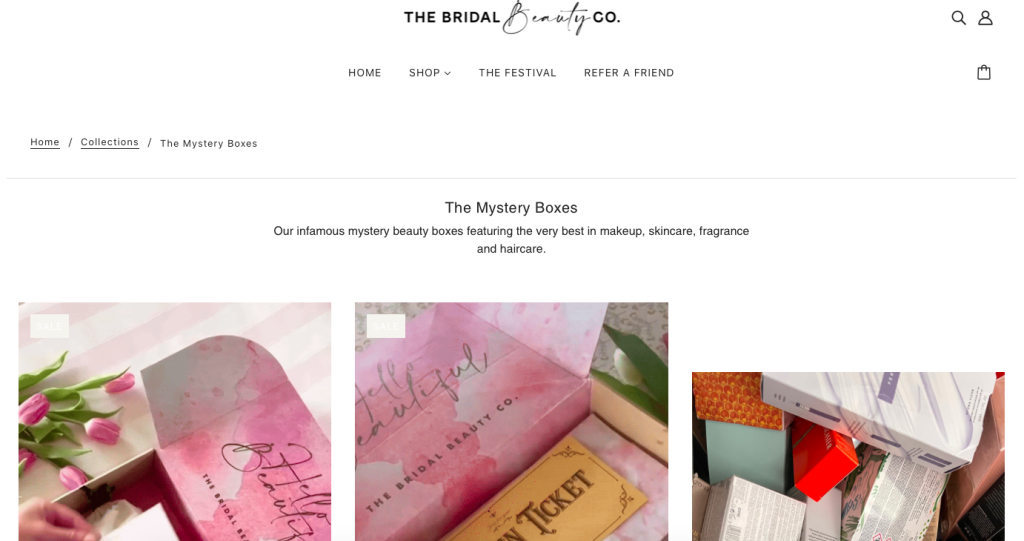
The beauty brand, The Bridal Beauty Co. offers many different mystery boxes containing beauty, makeup, and wellness products. For instance, Pamper Mystery Box, Charity, and The Sleep Collection Mystery Box, etc. The box includes products such as rejuvenating masks, facial and skincare products, aromatherapy products, etc. The brand keeps the mystery box exciting by offering three different types of options based on themes.
3. The Mystery Gift Box

There’s a mystery box for every taste and all kinds of consumers. For instance, there’s a huge market for memorabilia and knick knacks. And there are mystery boxes dedicated to these products, too. The Mystery Gift Box is an eCommerce store that offers mystery gift boxes. The box contains eatables and knick knacks. Customers can choose from three categories of mystery box subscriptions. Subscribers get a 10% discount on their first order and a free 250 gram bag of mix-and-match along with the first subscription box.
4. The Gourmet Cheese Club
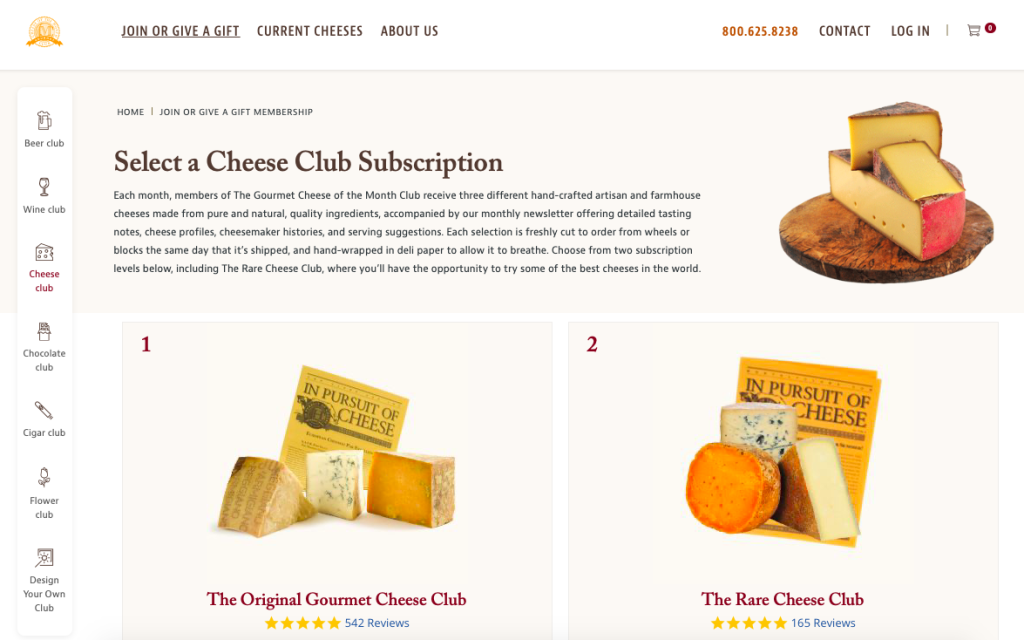
The Gourmet Cheese Club offers two types of mystery subscriptions. The monthly subscription offers customers three different types of cheese along with a newsletter that shares more information about the cheese, tasting notes, cheesemaker stories, and pairing suggestions. The subscription options include The Rare Cheese Club that includes rare cheese varieties from across the world.
5. Sock Smith
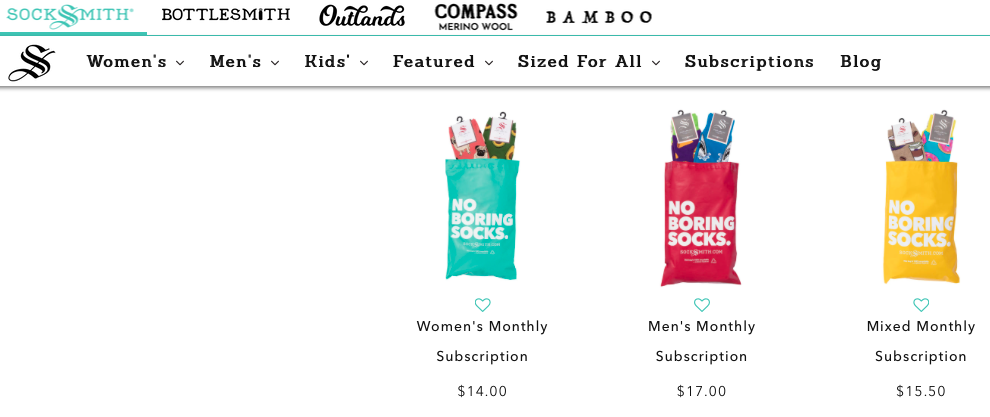
Ecommerce merchants are coming up with creative ways to offer subscriptions. One of the best subscription box examples is socks, for instance the subscriptions from Sock Smith. Many brands specializing in socks are offering monthly, bi-monthly, quarterly subscriptions for socks. Sock Smith offers three different subscription options – women’s, men’s and mixed. The monthly subscription offers a 30% discount. What is more, the box includes three pairs of socks with two surprise pairs. Subscribers also get free shipping on the mystery box.
6. Johnny Cupcakes MysteryBundle
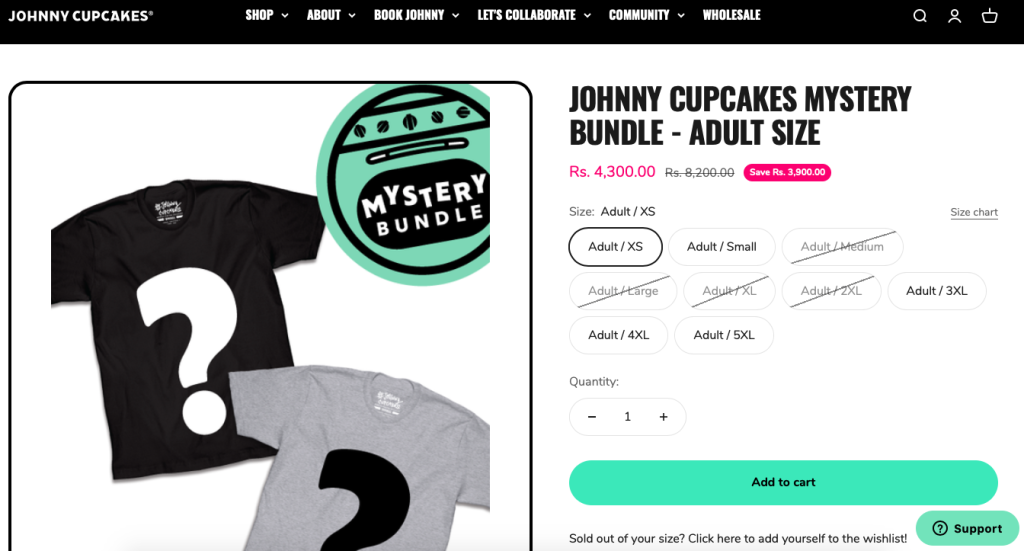
Fashion and apparel mystery subscription boxes are popular amongst fashion enthusiasts, both men and women. However, apart from big fashion labels, small apparel brands, too, are running successful mystery box subscriptions. Here’s a great mystery box example that offers t-shirts. The Mystery Bundle by Johnny Cupcakes includes two t-shirts from any of the brand’s warehouses. The designs could be new or old. Subscribers can choose their preferred size. The brand promotes the mystery box as a gift option as well.
7. Louis Vuitton Mystery Box

When it comes to mystery boxes, even luxury brands are offering engaging mystery subscription boxes. For instance, here’s the mystery box example of Louis Vuitton. Its mystery box is based on NFT. A box of curated luxury items, including limited edition products, accessories, etc. are available in the form of NFT. The mystery box is available in limited numbers, making it a more exclusive experience for customers.
8. Sports Autograph Mystery Box
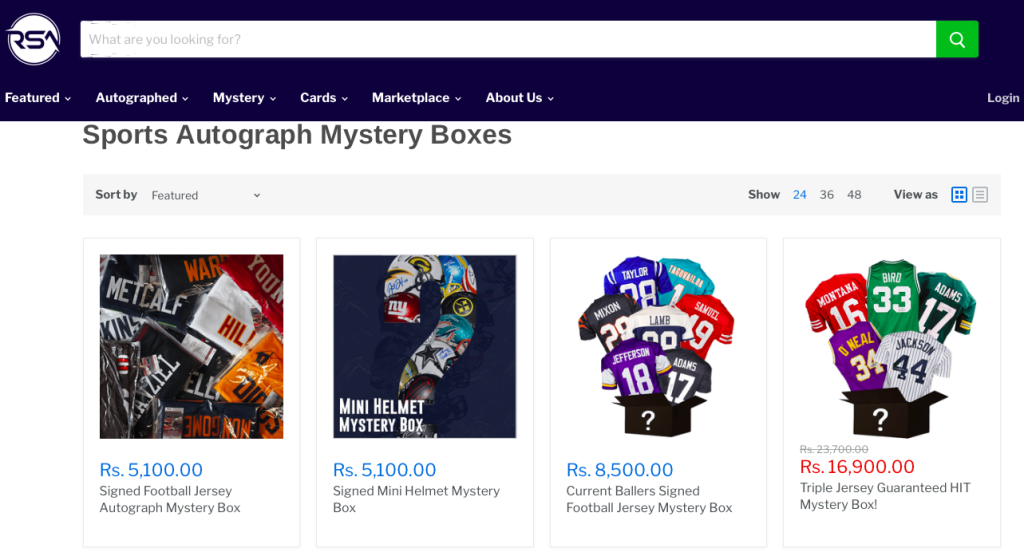
Another popular mystery box example is from the sports industry. However, sports subscription boxes have moved beyond sports gear and equipment. Here’s an example of a mystery box subscription of sports autographs. Subscribers can choose from multiple options, such as autographed jerseys, helmets, memorabilia, balls, etc.
9. Mystery Art Parcels

Art, craft, and hobby mystery box subscriptions are another favorite amongst customers. The art and craft eCommerce market is projected to reach $79 billion by 2030. Subscribers can select from three sizes – small, medium, and large. The mystery subscription box includes wood, glass, canvas board, acrylic paint, ink, watercolor, paper, fabric, among other items. The brand also gives an option of gifting the mystery box.
10. Loot Crate mystery subscriptions
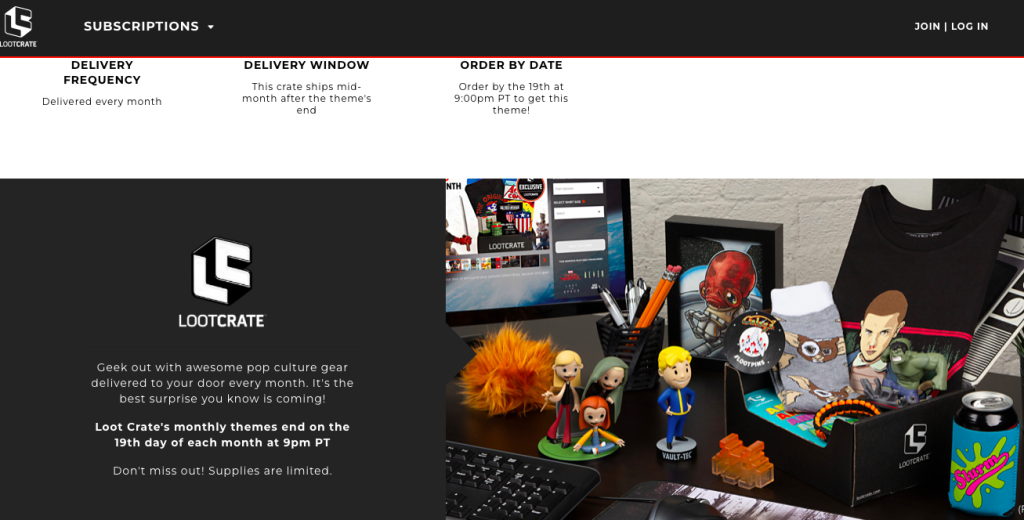
Pop culture memorabilia and products are a rage amongst consumers, especially the younger generation. Loot Crate is a pop culture memorabilia brand that offers different types of mystery subscription boxes. The boxes are delivered every month and include one or two surprise products. Subscriptions are available for monthly or quarterly deliveries.
11. Spiritual mystery box subscription
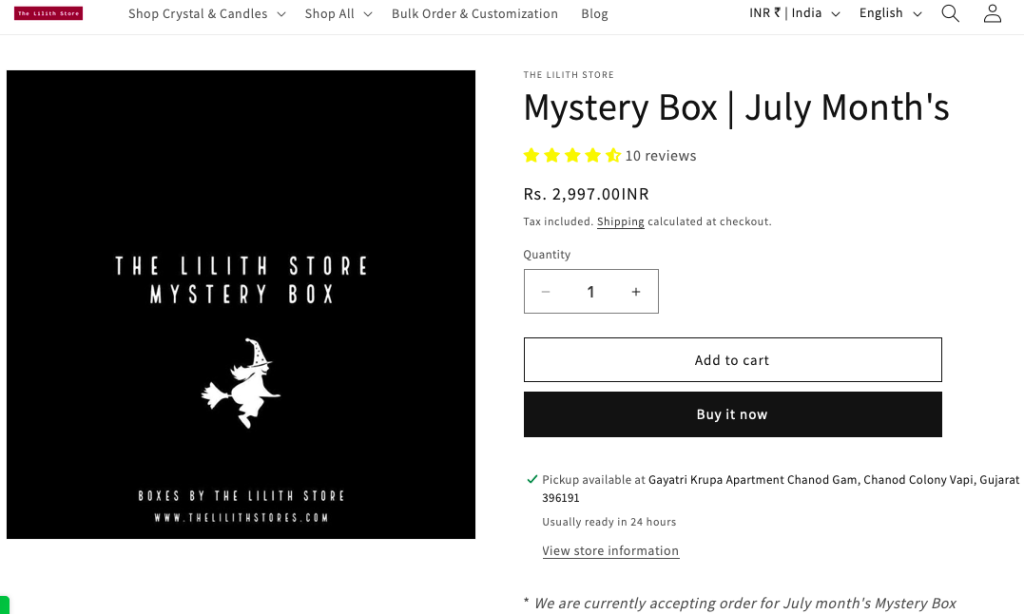
Mystery subscription boxes work best for products and services that are required on a recurring basis. Here’s a mystery box example from The Little Store. The box contains a mix of curated products such a crystal, herbs, tea blends, candle, curios, spell kits, etc. Customers can receive new spiritual elements every month. This kind of a mystery subscription makes it easy for brands to promote new products and for customers to discover and try new products.
12. Fishing gear mystery box

Mystery Tackle Box is a fishing gear and accessories brand that is one of the best subscription box examples for fishing. Subscribers can choose from three plans – Regular, Pro, and Elite. They can learn new fishing techniques, find new brands, and become better anglers. The boxes contain items curated by fishing experts. As the box consists of products from multiple brands, customers get to discover new brands and products on a regular basis.
13. Mystery treats subscription
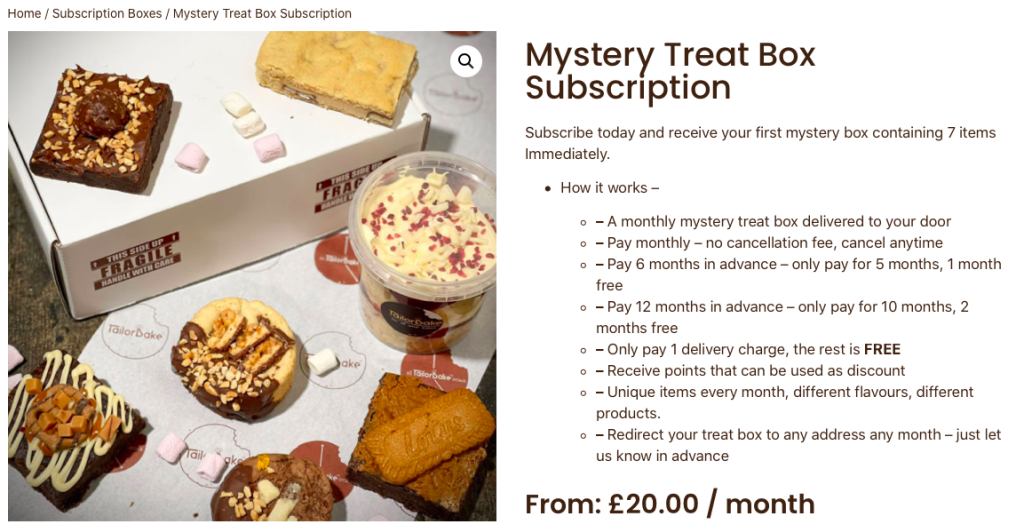
The eCommerce FMCG market is huge. And there are many brands hopping on board on a regular basis. Subscriptions have caught on like wildfire in this industry, including mystery subscription boxes. The Mystery Treat Box subscription is a monthly subscription that sends different and unique treats every month to subscribers. One of the best features of this mystery box is that subscribers can change the delivery address anytime. This makes it easy for subscribers to send a box as a gift.
14. Natural living mystery box subscription

More and more consumers are choosing the path of conscious living. Natural and organic lifestyle products brands have been crowding the online space. Here’s a mystery subscription example from Norfolk Natural Living. The box consists of products such as scents, pet products, cleaning products, gardening, etc. The mystery box also includes samples and unique products. The box is available for monthly, bi-monthly or semi-annually subscription plans.
15. Memorabilia mystery box example
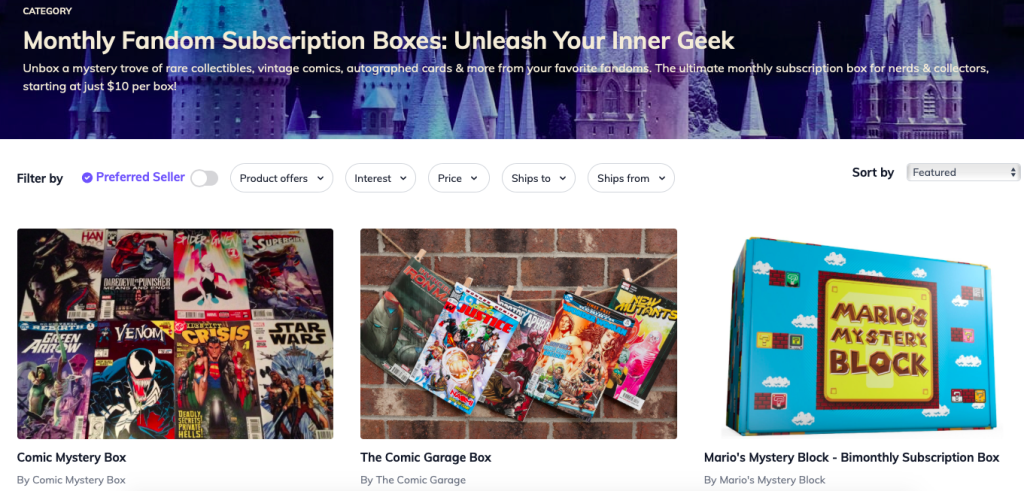
Cratejoy is a brand that sells memorabilia, old, rare comics and collectibles, among other items. The brand offers monthly mystery subscription boxes. Subscribers can choose the mystery box based on themes. For instance, some of the boxes are based on comics, dice, baseball cards, tech gadgets, etc. What is more, the brand also allows subscribers to send the mystery box as a gift to their loved ones.
How mystery boxes drive product discovery and retention
There are many ways in which eCommerce brands can use mystery box subscriptions to introduce new products and to increase retention rates. Here are some strategies:
1. Introducing new products at scale without paid ads
When planned well, mystery box subscriptions can be an organic marketing channel. Brands can launch products without spending on advertising. For instance, brands can add new products into mystery boxes along with other products. This helps brands test markets for new products. Moreover, customers can share feedback about the products, too, making products better.
2. Encouraging trial of higher-margin or new SKUs
As the contents of a mystery box are not pre defined, brands can add new products to the inventory. Customers would have otherwise not easily discovered these new products. Similarly, brands can add products with higher margins. This helps brands increase AOV.
3. Turn one-time buyers into subscribers
Subscription boxes offer many benefits to customers. From discounts to convenience to reward points, and more. eCommerce brands can convert one-time buyers into subscribers by implementing the right strategies on their Shopify stores. For instance, provide the option of buying one time and alongside, the subscription option showing cash savings.
Common mistakes brands make with mystery box subscriptions
Subscriptions can be successful when you do it right. Here are some common mistakes you should avoid.
1. Treating mystery boxes as a way to dump unsold inventory
One of the biggest mistakes brands make is to use mystery boxes to get rid or unsold inventory. But customers easily understand this strategy when they receive dated products. The result: when customers feel cheated, they instantly abandon brands.
2. Over-discounting and killing perceived value
When brands emphasize most on discounts to get customers to sign up as subscribers and for sales, they end up reducing the perceived value of their mystery box subscriptions. When customers see that your products are on high discount always, they begin to question if there’s any value in the products.
3. No control over size, category, or preferences
Brands that ignore personalization struggle to sustain their subscription businesses. For instance, a fashion mystery box that does not bother to understand customers size and fit preferences will always fail to make their subscribers happy. That is why brands that set up automated surveys and quizzes to understand customer tastes are more successful.
4. Lack of flexibility
Not allowing customers to swap products, pause deliveries, change delivery dates, or change payment methods can make subscribers feel stuck in the subscriptions. They may end up wasting products and their money. Not allowing flexibility is a big mistake in mystery box subscriptions.
Mystery boxes as a gifting and seasonal growth strategy
When planned well, mystery box subscriptions with seasonal and gift boxes can ensure recurring revenue throughout the year during peak gifting periods. Here’s how:
Why do mystery boxes convert well as gifts?
Mystery boxes can turn a gift into an experience. With mystery boxes, the element of surprise itself is the gift. Not only does it involve excitement and the physical act of unboxing, but it also has other value – memorable experiences, quality products, consistency among others. Moreover, the curated nature of mystery boxes lets the receiver know its a thoughtful present.
Seasonal editions
Seasonal mystery boxes make for exciting gifts. For instance, a winter mystery box with winter accessories, skincare, etc. For subscription businesses, seasonal boxes create marketing opportunities. For customers, it is an opportunity to give something exciting to their loved ones. These mystery boxes create partnership opportunities for brands, and the limited nature of seasons add urgency and FOMO.
Limited-edition mystery boxes
Based on the principle of scarcity psychology, limited-edition mystery boxes given as gifts not only have an experiential element, but they are also special because they include limited-edition products, making the receiver feel exclusive and special. eCommerce brands can launch limited-edition mystery boxes for gifting around their new product launches, special collaborations, or milestone celebrations of the brand.
Key metrics to track for mystery box subscriptions
Track these metrics to get a sense of your mystery box subscription performance.
1. Mystery box AOV vs standard orders
By comparing the average order value of your mystery box model against standard orders, you can come to know whether or not your subscriptions are working and generating your desired revenue. As mystery boxes are specially curated, they typically have premium pricing, and hence, you should see an increase in AOV.
2. Retention rate after first box
Another important metric to measure for mystery box subscription models is the retention rate. If your subscription rate is good, say about 60 to 70%, it means your mystery boxes are valuable to customers. If your retention rate is poor, say 20 to 30%, it means you need to make some changes. You can calculate the retention rate by dividing the number of subscribers that received the second box by the number who received the first box.
3. Product discovery to repeat purchase rate
One important way in which mystery boxes help brands is by introducing new products to customers via the box. Customers might not have bought those products on their own otherwise. The key thing to track is how many customers purchase those products individually, repeatedly. This can give you the repeat purchase rate. Identifying products that customers buy repeatedly can help you with marketing strategies.
4. Margin per box
Calculating margins on each mystery box involves calculating the price of each product in each mystery box, because every box will have different products. To that you have to add other costs, such as packing, shipping, marketing, etc. Once you calculate the cost of each box, you can subtract it from the selling price of the box to arrive at the margin per box.
5. Churn reasons specific to mystery models
The reasons why subscribers cancel mystery box subscriptions are usually very different from the reasons they cancel normal subscriptions. For instance, it could be that customers are able to guess the products before they open the box, or that the products do not match their preference, or the quality or value of each box deteriorates over time. Finding out the reason for churn with the help of surveys, questionnaires, and one-on-one interactions can help you understand your customers needs better.
How to combine mystery boxes with subscriptions, bundles, and loyalty
Mystery boxes can turn one-time customers into loyal customers, with the right strategies. Here are some strategies to combine mystery boxes with subscriptions, bundles, and loyalty programs of Shopify stores.
- Offer affordable mystery boxes as entry points for subscriptions. This lowers barriers and makes it easy for customers to sign up.
- If subscribers loved some products in the mystery boxes, offer them a bundle of the products for a repeat purchase.
- Offer points and rewards to subscribers who renew subscriptions. Offer points for various other activities, such as referrals, social engagement, etc.
Ready to set up your mystery box subscription?
Mystery boxes can be strategies to increase retention, average order value, and become discovery tools. That is if you use mystery boxes strategically. Ensure flexibility, personalization, and enhanced value perception for the best ROI.
With these mystery box examples, you have a lot of tips and takeaways to get started with your Shopify mystery subscription box. However, setting up and managing a successful mystery box subscription will require you to integrate the best Shopify subscriptions app on your store.
Explore Appstle Subscription App — Shopify and Shopify Plus merchants say it is the best subscriptions app in the market. That’s because of the comprehensive features and intuitive capabilities. The app automates repetitive tasks and ensures seamless subscription experience for costumes and Shopify merchants.
Install Appstle Subscription App on your Shopify store today!