Loyalty programs are beneficial to eCommerce brands. But ever wondered how much it costs to run a successful loyalty program? If not done right, it can eat into your profits.
The secret sauce to running loyalty programs successfully is customer retention. A high customer retention rate equals increased profits.
Want to learn how customer retention can increase profits and the economics of it? In this blog, we share a detailed framework on how to increase your Shopify loyalty program ROI through customer retention.
Let’s get started!
TL; DR
- Customer retention is key to loyalty program profitability. Retaining customers costs 5 to 6 times less than acquiring new customers.
- Retaining customers has a compounding impact on Shopify loyalty program ROI over the long-term.
- Tracking the real cost of loyalty programs and balancing the cost with ROI is critical. Costs include discounts, cashback, operational expenses, among others.
- Focus on retention rate, CLTV increase, redemption rate, and member vs. non member performance.
- Formula for loyalty program profitability: Loyalty ROI = (Incremental value from retained customers – total program cost) / Total program cost
- Optimize Shopify Plus loyalty program ROI by limiting excess discounts, maximizing perceived value, tiered loyalty structures, personalizing rewards, and a strategic loyalty program design.
The business case for loyalty programs and customer retention
Every eCommerce brand offers loyalty programs for its ability to retain customers and reduce churn. Here’s how it works:
Retention matters more than acquisition
Acquiring new customers costs five to six times more than retaining them. Apart from the cost involved, customer retention has other benefits, such as:
- Higher conversion rates
- Willingness to pay more for products
- Lesser marketing spends on existing customers
- Stable revenue and higher predictability
- Data collection and insights over time
Now imagine the effect when you retain more customers. The scale and compounding effect over a long period can multiply revenue and profits. This makes retention not just important, but critical for business sustainability and profitability.
Loyalty programs reduce churn
Customers who join loyalty programs tend to stick to the brand for long durations.That’s because once they get used to the perks of loyalty programs, such as reward points, receive exclusive treatment, and achieve status based on tiers, they do not want to let go of the value that loyalty program brings.
Ecommerce brands with loyalty programs experience lower churn rate. There are many reasons for this:
- Loyalty programs increase customer engagement
- Brands get multiple touchpoints to interact with customers
- Benefits, perks, discounts, offers, and community enhance customer experience
- Data collected can be used for targeted retention and engagement campaigns
Understanding the cost of loyalty rewards to brands
What are the actual costs of running a loyalty program? Here are the costs and common mistakes that end up costing money to brands.
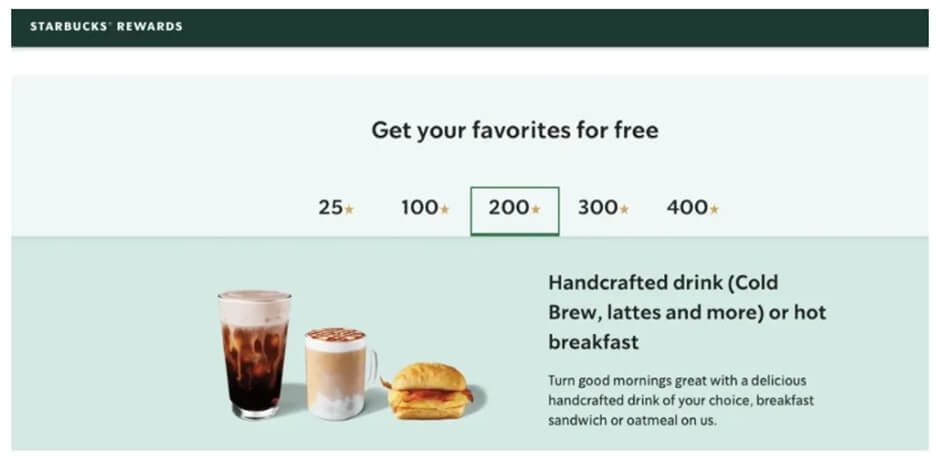
Discounts, cashback, free products, and perks
There are many costs involved in running a loyalty program. Some of the direct costs that impact the profit margins include discounts, cashback, free products, and other perks.
Each of these impact profit margins differently. For instance, percentage-based discounts reduce margins on every transaction, and hence, it is an expensive perk. Cashback creates a liability for the business and can accumulate into a huge amount.
Free products involve cost of products and delivery, and also creates opportunities to offer high-value rewards. Experiential perks, such as early access, member-only events, etc. cost less than products. However, whether the benefits are tangible products or experiences, they involve various other operational costs, which impact the profit margins.
Operational and administrative costs
Brands incur operational and administrative costs to run loyalty programs. These include costs related to technology and digital infrastructure tools, loyalty program subscriptions, integration costs, security costs, etc.
Additionally, there are marketing costs, customer service expenses, etc. There are also costs related to resources required for various functions, for example, a manager to oversee the program. All these costs keep increasing as the loyalty program scales. And hence, the profits from loyalty programs also have to keep increasing.
Common pitfalls: reward abuse and over-discounting
Besides the actual costs, there are aspects that may cost loyalty programs money. One such thing is reward abuse. Customers that find loopholes in the loyalty structure engage in activities that cost money to you. That is why, if you do not have proper control on your loyalty program, even a small number of customers can cost a lot to your business.
Another thing that costs brands money is over discounting. When you offer too many rewards compared to returns, you may end up losing profits. Rewards have to be balanced with the returns from your loyalty program.
Pro tip: To increase Shopify loyalty program ROI, plan the economics of the program. Ensure the model is structured in a way that earnings, rewards, and redemption rates support profitability.
The value of retained customers for loyalty programs
Retained customers lead to an increase in revenue, profits, purchase frequency, and CLTV. Let’s understand the real value of customer retention, in detail.
1. Increase CLTV
Customers who remain active for a longer duration (typically, years), benefit the business in many ways. For instance, they don’t just provide your business with the same revenue every year. Their baskets become larger, purchase frequency increases, and service costs to them reduce. All these factors lead to increased CLTV.
Let’s understand this with an example:
If the AOV of a customer is $100, purchases four times a year, and provides 20% margin, over two years, their CLTV averages to $200. In the third year, the customer provides an added $100 in CLTV. The acquisition cost for this customer has already been recovered, which means your brand makes pure profit from this customer.
Loyalty programs have compounding effects. When more loyalty members stay with the brand and reach later lifecycle stages, that’s when businesses become more profitable. Businesses then move from spending on acquisition to purely earning profits.
2. Higher purchase frequency and AOV
Customer retention via loyalty programs also increases purchase frequency and AOV. Loyalty programs give many reasons for customers to return to your Shopify store, such as:
- To earn more loyalty points and move towards a goal
- To redeem accumulated points
- To maintain a loyalty tier status they belong to
And here’s how loyalty programs increase basket size:
- To reaching a certain threshold for earning more points
- Tiered programs encourage customers to spend more to achieve a higher status
- Personalized recommendations based on data drive sales
- The result of collective sales from the loyalty program is more
- The compounding effect of loyalty programs increases AOV over time
3. Loyalty member advocacy and referrals
Over time, loyalty members become brand advocates. They add value beyond purchases. For instance, they engage in word-of-mouth marketing, bringing new customers to the brand. New customers as a result of referrals tend to be high converting, and provide more revenue to brands.
Moreover, product reviews, ratings, and social media mentions from loyal customers carry a lot of weightage, improving conversion rates with minimal investment and marketing.
How to build a profitability framework for loyalty programs
Getting your loyalty program framework right can help increase customer retention value, which can drive profitability. Here’s how to do it:
1. Formula for comparing costs vs. value
To ensure profitability, you have to work with real numbers and formulas, as opposed to assumptions. Your formula must include all costs and the value it generates. Here’s a formula:
Loyalty program ROI = Incremental value from retained customers – total program costs / total program costs
Here are best practices and tips:
- Compare members to non-members with similar characteristics or behavior before and after they sign up for the loyalty program
- The total cost of the loyalty program must include every expense category (rewards, perks, platform fee, technology, marketing, operations, salaries, etc.)
- Keep a long-term approach with loyalty programs. Because short-term may show negative returns, while long-term shows the compounding value
Another formula to measure loyalty program profitability is measuring returns at member level. Doing so helps understand which segment of customers generate positive returns from the loyalty program. Here’s a formula to apply:
Member-level profitability = (Post-program CLTV – pre-program CLTV) – cost of rewards earned by member – allocated program overhead
Loyalty program metrics to track
From retention to redemption to CLTV, track these Shopify loyalty program metrics to understand the real ROI.
1. Retention rate
Retention rates must be tracked for both, overall business and the loyalty program. For the program, track the number of customers that are active after one, two, and three years. Compare other metrics between loyalty members and non members.
2. Redemption rate
Measuring redemption rate (how many rewards members actually used) shows engagement levels. This also helps you manage your liabilities (in this case, rewards that are already given).
If redemption rates are low, it means members aren’t finding value in the rewards or that your products aren’t good enough for them anymore. Conversely, if the redemption rate is high, it could mean that you’re offering something that is too profitable to customers.
3. CLTV uplift
Measure the increase in CLTV over a period of time. This will give you a sense of whether there is an improvement in the retention and engagement levels of your loyalty program.
Another factor to measure is the LTV of members against that of non members. Also measure what aspect of the program members engage more with. Here are some other related loyalty program metrics to measure:
- Percentage of members engaged in the program
- Percentage of rewards that go unredeemed
- The financial impact of redeemed points on your business
- Number of transactions per member per year
- AOV of members and non-members
- Percentage of members in each tier
- Satisfaction score of members in different tiers
Best practices for designing profitable Shopify loyalty programs for better ROI
Apply these best practices in your Shopify loyalty programs and increase ROI.
1. Limit discounts offered
Most loyalty programs offer discounts. And discounts are no longer enough to engage members. Moreover, if not planned properly, they can eat into your profits. Having a good mix of other benefits along with discounts can be more beneficial for your loyalty program.
2. Maximize perceived value
Create a perceived value that is more than the actual cost. Employ strategies that increase the value perception without increasing your costs. So, what are some such strategies? Priority and exclusive access to sales, new collections, etc. Share exclusive content, tutorials, and behind-the-scenes content.
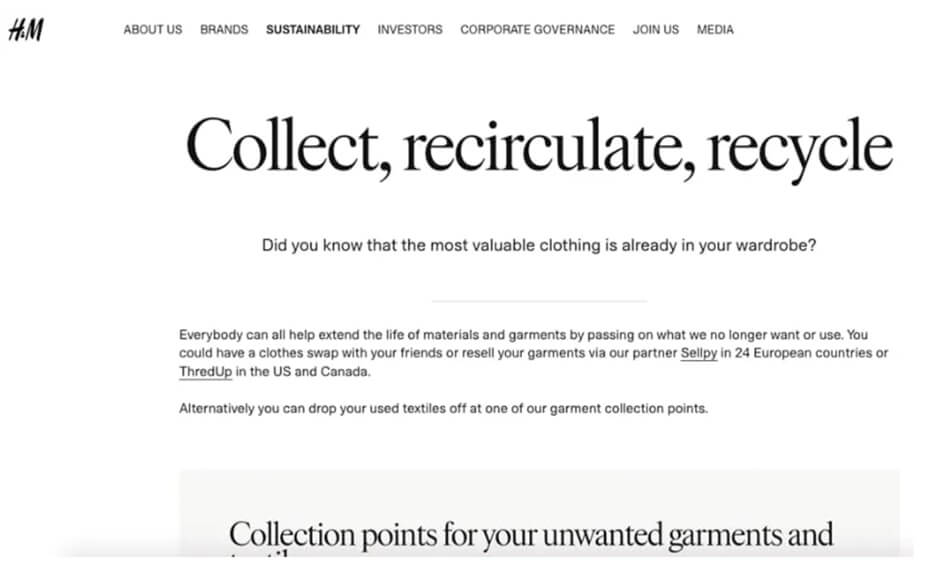
3. Add non-monetary rewards
Rewards that are not monetary often enhance customer experience. For example, a kids clothing brand including a rewards donation campaigns for members creates emotional connections that drive higher engagement and loyalty.
Example:
4. Collaborations and partnerships
Partner and collaborate with other brands that offer complementing products and services. For instance, include rewards such as a discount coupon for the other brand. This way, members stay engaged and there’s something new to offer to them.
5. Structure discounts strategically
Offer discounts but make them time-specific, create urgency and FOMO. Offer different discount levels to different tiers. This drives faster sales and member engagement.
6. Tiered rewards
To encourage higher spending, offer tiered rewards. For instance, when you offer progressive benefits based on tiers, members increase spending to achieve better rewards by joining higher tiers. This way, you can also concentrate more on your most valuable customers.
7. Personalize reward points
By personalizing reward points, you can drive specific behaviors from members. A more targeted approach to offering rewards will lead to more satisfied members, increasing loyalty. Integrate a Shopify Plus loyalty app that provides data analysis, personalization, and automation capabilities.
Wrapping up
Customer retention and loyalty programs are intertwined. When planned well, your Shopify Plus loyalty program can generate higher ROI by increasing customer retention.
Various elements such as tiered loyalty program, personalization, non-monetary benefits, discounts, and managing costs of running your loyalty program can lead to higher ROI.
However, you will require a smart Shopify Plus loyalty program app in your store. Appstle Loyalty & Rewards App is designed for Shopify Plus stores.
The app helps set up multiple loyalty program types, gamified rewards, customization, personalization, among other capabilities.
Install Appstle Loyalty & Rewards App on your Shopify store today!