
Commerce and content blend in many different ways. One of the ways is through knowledge subscriptions.
Knowledge subscriptions that combine products and learning experiences are on the rise, transforming the way traditional eCommerce subscription and content work. These models combine educational content, expert lessons, and curated products into one unified experience.
Shopify brands are increasingly integrating knowledge subscriptions into their business models. In this blog, we explore 9 strategies to incorporate knowledge subscriptions and learning programs along with products, in your subscription infrastructure.
A quick look at the 9 ideas shared in this blog
- Knowledge subscriptions combine educational content with physical products, creating unified experiences that increase customer satisfaction and retention beyond traditional eCommerce models.
- Brands are building private communities around product categories, fostering belonging and establishing themselves as knowledge authorities while gathering valuable customer insights.
- Multi-tier subscription structures allow customers to upgrade from basic product delivery to premium tiers with masterclasses, consultations, and exclusive access without significant cost increases for brands.
- AI-powered personalized learning paths adapt to individual subscriber interests and behaviors, dramatically improving course completion rates and long-term retention.
- Phygital experiences blend digital lessons with physical kits (like cooking videos with ingredient boxes), making learning more practical and allowing premium pricing.
- Co-branded programs with experts and influencers combine brand infrastructure with authentic expertise, building trust and expanding reach for both parties.
- Integrating personalized product recommendations within learning journeys drives higher conversion rates because subscribers already understand the products’ value and application.
- Micro-learning formats with short, targeted lessons (30-60 minutes) suit busy adults better than lengthy courses, reducing abandonment and improving retention.
- Gamification through certifications, badges, and achievement levels creates psychological investment, motivates continued participation, and strengthens community bonds.
9 knowledge subscription strategies to blend content and commerce in 2026
Here are 9 different ways you can provide content and products in a seamless manner in your Shopify subscription model
1. Brands offering education + product bundles
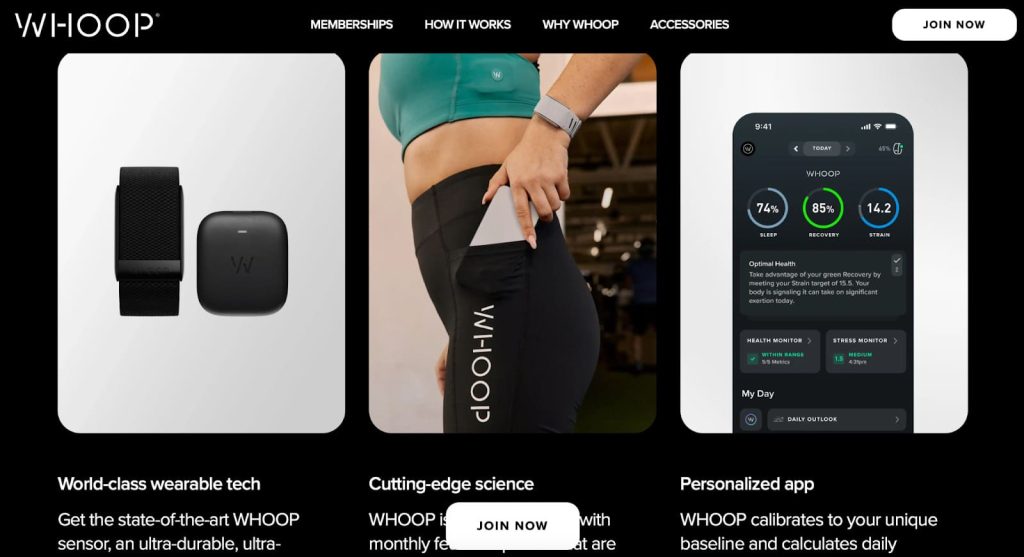
Gone are the days when brands simply sold products and left it at that. Modern brands offer bundles of products and educational content. For instance, health supplement brands often pair products with wellness and nutrition courses, fitness programs, and personalized consulting. Similarly, sports brands bundle training gear with educational content for skill-building.
This approach has a psychological impact. Customers don’t just feel like they’re buying products, but rather feel like they are investing in more. This increases their satisfaction, leading to higher retention rates. Content shared to complement products increases the perceived value of the products.
2. Private communities tied to product categories
Today, consumers are looking for more than just products. They are looking for a sense of belonging, experience, and authenticity. Many eCommerce brands are offering these by way of private communities tied to products. For example, brands facilitating Facebook closed groups for their customers to engage in discussions around their products.
For example, a coffee subscription might have a community where coffee lovers and roasters come together to share knowledge about coffee. An online gardening store might have a community for its customers to discuss gardening techniques.
Here’s how these communities help Shopify brands:
- Offer opportunities for retention strategies
- Subscribers build deeper relationships with brands
- Brands can establish themselves as knowledge authority
- Members offer product development insights
- Brands collect feedback, identify gaps, and observe how customers use their products
- Collect data that can be used for personalization
3. Access-based tiers added above product subscriptions
An effective structure for subscription models is to create multi-tier plans where products are the entry level, and higher tiers offer educational resources. This structure is based on the fact that there is a certain segment of consumers that values knowledge and access more than just physical products.
For instance, the basic tier might include products with standard educational content; mid-tier might include products and access to an expanded video library of masterclasses; and the top tier might offer everything: product, educational videos, and in addition, one-on-one consultations, exclusive access to new products, community forums, etc.
How does this benefit?
- Solves the problem of shipping physical products
- Provides opportunity to create premium tiers without significant cost increase
- Reduces shipping and logistics costs of physical products
Now let’s look at an example of a tier-based subscription structure combined with knowledge-based perks.
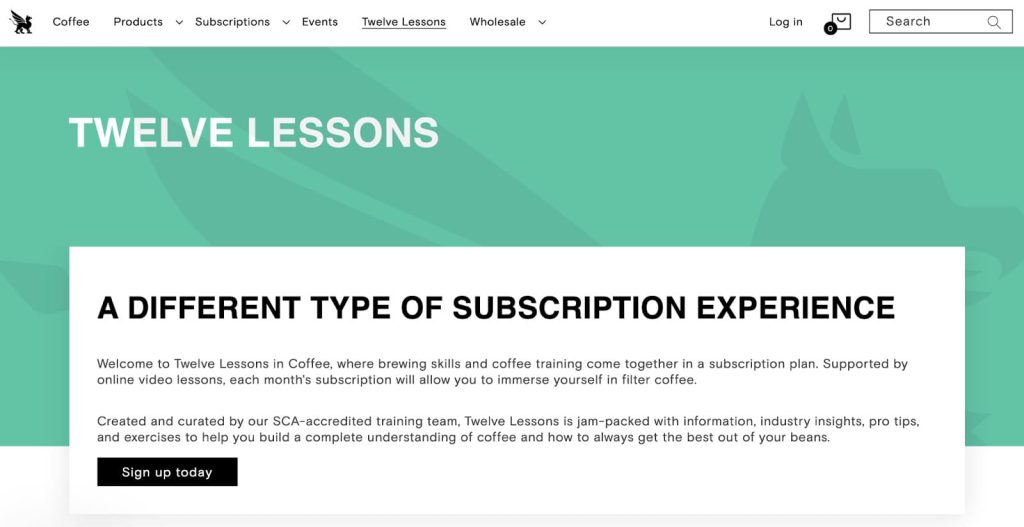
A coffee brand might offer three tiers. The basic tier delivers a curated box of coffees every month. The second tier delivers coffee and provides access to master classes, brewing technique videos. And the premium tier adds experiential benefits, such as visits to coffee estates, certification programs, exclusive community forums, etc.
4. AI-driven personalized learning paths
With advanced artificial intelligence (AI), brands are now in a position to offer personalized educational experiences with their products and subscriptions. Rather than simple personalized content recommendations, think dynamic curriculum design based on individual subscribers’ interests, past purchases, learning styles, and behavior patterns.
For example, when a customer joins a nutrition-based knowledge subscription, AI can use data to understand their dietary preference, health goals, purchase history, and initial responses to questions to create a personalized learning journey. AI can track and monitor their progress and keep changing, adjusting, and adding to their knowledge journey.
Such personalized knowledge subscriptions can increase completion rates compared to generic, one-size-fits-all courses. Subscribers who complete educational milestones are more likely to stay with the brand. When designed well, AI can manage all the tasks related to personalized learning paths with little human intervention.
5. Hybrid phygital experiences
Another effective way to create knowledge subscriptions is to blend physical and digital learning tools, meaning phygital learning experiences. In this format, subscribers receive digital lessons and physical kits for learning.
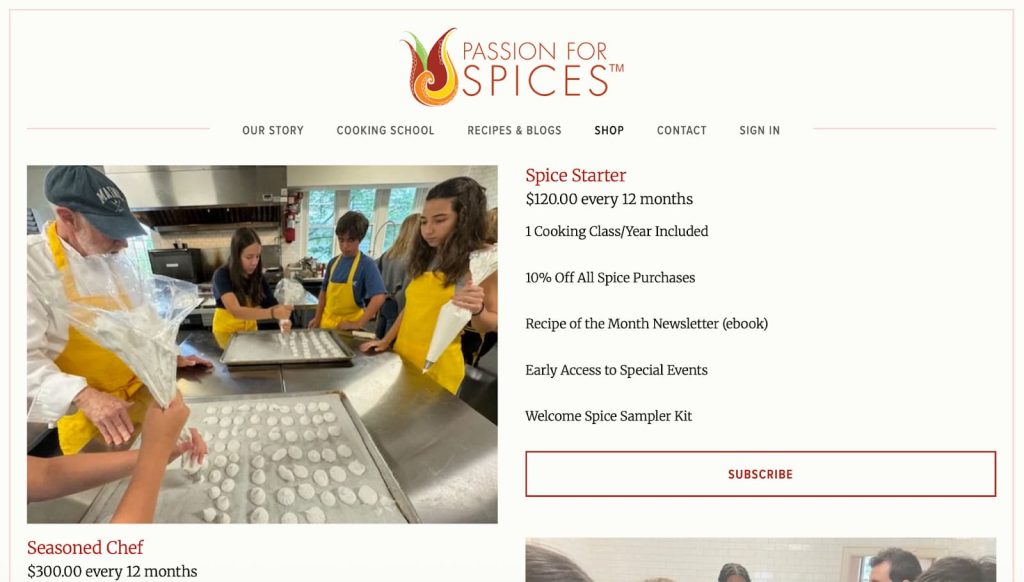
For example, a cooking knowledge subscription can include video lessons from chefs and physical ingredient boxes, spices, books, etc. Subscribers can not only look at videos, but at the same time, open the subscription boxes, and try the recipe. This provides a more wholesome learning experience.
Here are some benefits of phygital learning experiences:
- It makes implementation easy with digital tools
- Learning becomes easier and accessible with digital tools
- The physical counterpart creates anticipation and excitement
- Physical boxes make learning more effective with practical activities
- Brands can have premium pricing for such integrated experiences
- Customers are willing to pay more for phygital knowledge subscriptions
6. Creator and expert co-branded knowledge programs
Another knowledge subscription format brands follow is to collaborate with experts and influencers to co-develop knowledge programs. These collaborations bring together the brand’s products and infrastructure, and the collaborator’s teaching ability and audience trust.
For example, a health supplement brand can partner with a nutritionist to create knowledge programs that include the brand’s products and the nutritionists curriculum. This type of model solves challenges for both parties. The expert gains infrastructure, product to support their knowledge, distribution capabilities, while the brand acquires authentic expertise, established audience relationships, and genuine lessons.
Such successful partnerships create knowledge subscriptions in collaboration by co-developing products, contributing to educational content, and having creative inputs. This nature of collaboration works well and builds trust among subscribers.
7. Personalized product recommendations inside the learning journey
A huge advantage of knowledge subscriptions is that brands can collect data and use it for personalization within the learning journey. For instance, as subscribers progress through educational content, brands can introduce personalized product recommendations.
For example, for a cooking course, the brand can start suggesting personalized tools or ingredients that can help individual subscribers better their cooking skills. These recommendations integrate into the learning program as natural progression elements rather than interruptions.
Including personalized product recommendations into knowledge subscriptions have higher conversion rates because the knowledge about how to use the products has already been shared and the value explained. Subscribers aren’t being sold just any product, but rather, they’re being equipped with tools they can apply to their learning. This also tends to have a higher satisfaction rate for subscribers.
Moreover, subscribers also tend to make more repeat purchases, leading to higher sales for brands.
8. Micro-learning subscriptions replacing long courses
In recent years, knowledge subscription has shifted, from lengthy, comprehensive courses to short lessons. So, for example, rather than committing to a long 100-hour masterclass, subscribers can receive targeted, short lessons of an hour or 30 minutes. Each lesson can be designed for a specific skill or idea.
This sort of knowledge subscription aligns well with busy adults who prefer to consume learning in small lessons rather than hours-long courses. For instance, a course of photography can deliver one short lesson every week, giving enough time for subscribers to practice before the next lesson.
Here’s how it helps Shopify brands:
- It creates natural subscription mechanisms
- Each lesson feels manageable, leading to small wins
- Small lessons build momentum and confidence
- Lesser abandonment rate and higher retention rates
9. Certifications and achievement layers
Another effective strategy for knowledge subscriptions is to integrate gamification through elements such as certification, badges, achievement levels, and social recognition. These elements create clear progression paths, increase community engagement and individual subscriber motivation.
Here’s how it works: As subscribers complete lessons, engage in discussions, and demonstrate mastery, they progress through levels, such as bronze, silver, and gold. As subscribers reach milestones, they receive perks, such as new content, special access to exclusive lessons, community status, etc. Brands can also offer formal certificates for extra value.
What are the advantages of this structure?
- It has a strong psychological effect as subscribers who have invested time and achieved badges or certificates, may not want to cancel or lose their status
- Progression coupled with tangible achievements creates motivation to continue
- Social recognition from the community of subscribers strengthens the sense of belonging
- Gamification turns passive consumption into active participation, enhancing subscribers’ relationship with brands
Wrapping up: How to get started with knowledge subscriptions
Consumers increasingly expect more than just products. They expect brands to contribute to their growth and enhance their journey with the brand. Knowledge subscriptions offer more than just products and courses.
Brands can create an environment for meaningful engagement, learning and growth for customers, community experience, and more. Moreover, building knowledge and learning infrastructure is something that is hard to replicate for competitors. This gives brands a competitive advantage.
If you’re looking to set up a knowledge subscription model, get started with Appstle Subscriptions App. The comprehensive app offers advanced features, automation, personalization, marketing, and management capabilities that can enhance your subscription infrastructure.
Install Appstle Subscriptions App in your Shopify store today!