
When launching a subscription model on Shopify stores, one of the first things merchants often discuss is the subscription management app or platform, and its cost.
How much does the app cost? What are the transaction fees? Are there other annual charges? While these are many questions that merchants ask, there are many other important ones they ignore, which end up costing them a lot.
The brands that understand the real cost of subscriptions – costs beyond subscription fee – are the ones that are able to reach profitability goals much faster than brands that don’t understand the costs of running subscription businesses.
In this blog, we explore the various costs of running a subscription business, the aspects that add to the costs, and how understanding these can help you reach subscription profitability.
The ideas in this article in short
- Subscription costs go far beyond the app fee — transaction fees, chargeback costs, and payment processing charges all add up quickly
- 10–20% of subscription payments fail on the first attempt, triggering costly retry attempts, support intervention, and customer churn
- High churn destroys customer lifetime value (LTV) and forces brands into discount dependency, which further erodes profitability
- Poor retention also disrupts inventory forecasting, leading to overstocking or stockouts and their associated costs
- Operational costs like fragmented fulfillment, manual inventory planning, and high customer support load are often overlooked but significant
- Self-serve portals, smart dunning systems, and flexible subscription controls are the most effective ways to cut costs and improve retention
Visible vs. hidden costs of subscription
While some Shopify subscription costs are obvious, such as the app fee, transaction fees, etc., there are many hidden costs that you might not know about until you incur them. Let’s look at the visible and hidden costs of subscription.
1. App fee vs. transaction costs
Subscription apps typically have two types of payment structures. One, a tiered monthly fee based on the chosen tier, or two, a percentage of the subscription revenue. At times, both types of payment apply.
While the above structure seems straightforward at first, it really isn’t that simple. You might think a brand earning $10,000 per month via subscriptions pays 1% fee, which is $100.
But that’s not the case. There are many other subscription costs that need to be considered. For example, all these costs add up:
- Shopify charges on its own transaction fees if you’re not on Shopify Payments
- Shopify Payments processing fees per transaction
- Per transaction costs
- The cost of chargebacks
2. Payment failures and retries
Did you know failed payments also add to the cost? Studies show that 10% to 20% subscription payments fail on the first attempt. For example, every failed payment starts a trail of events:
- Automated retry attempts, which might have a fee attached to it
- Customer notification emails
- Manual intervention by customer support teams
- Customer churn
Thus, the cost of one failed payment can add up to a significant amount. Many Shopify merchants do not integrate a dunning management system to manage failed payments. This leads to lost sales or customers.
3. Support and operational overhead
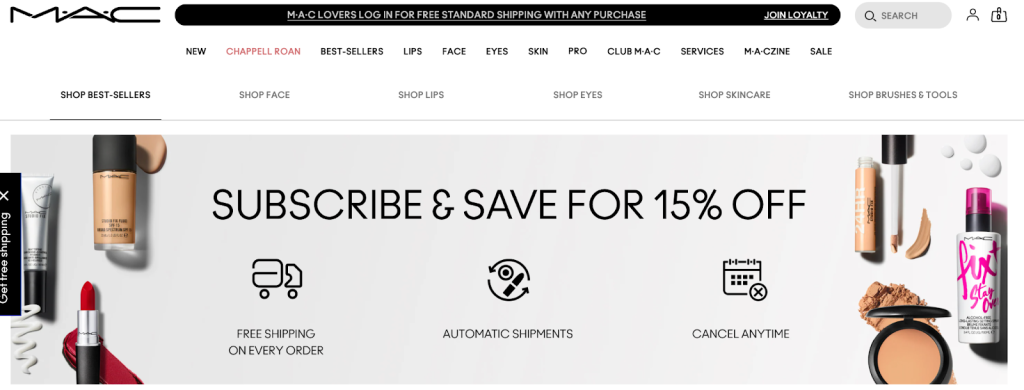
Subscriptions involve recurring transactions, and hence, subscribers may need to contact customer support. For instance, if they want to pause or skip a delivery, or if they want to swap products in their upcoming box. When customer support involves human intervention due to the lack of a self-serve portal, the cost of support adds to the subscription cost.
For small stores with a few hundred subscribers, this cost is bearable, but for enterprise stores that have thousands of subscribers, the cost of customer support can be a significant amount. While merchants often spik adding this to the cost of running subscriptions on Shopify, they do show up in the cost of hiring support staff, support tools, etc.
The cost of poor retention
The cost of acquiring new customers is 5 to 7 times more compared to retaining existing ones. Here’s how losing subscribers, allowing them to easily cancel, and not making an effort to retain them can cost subscription businesses.
1. Churn impact on LTV
While most brands measure churn in percentage, its real cost can show up in losses or less profits. Brands often tend to treat subscriber churn as an operational metric. However, churn impacts customer lifetime value (CLTV) in a big way.
For example, a subscription brand with 1000 subscribers and a 5% monthly churn rate loses 50 subscribers every month. Imagine the loss. It is the amount of future revenue, gross margin, and other advantages associated with long-term customers. That’s the real cost of running subscriptions on Shopify.
Moreover, acquiring new customers involves a cost. Losing customers doesn’t only cost directly. It also has indirect costs. Reducing churn rate can increase LTV. And how do you increase subscription retention? By offering experiences that make customers want to stay.
2. Discount dependency
What happens when brands start seeing a high churn rate? Many brands, in desperation to retain potential cancellations, offer discounts. For example, brands start offering discounts to first-time subscribers to increase subscribers. Or they offer discounts to subscribers who are about to cancel.
When you offer a lot of discounts, it negatively impacts your subscription profitability. Also, when customers know they’re going to receive a discount when they’re about to cancel, your retention costs increase. The result? A large number of subscribers but not enough profit.
Discounting is a strategy that doesn’t offer value to brands. So what could be the solution? Perhaps, enhancing your products, the subscription experience, and value to subscribers, but definitely not a lot of discount.
3. Lost forecasting accuracy
Poor retention rate can add to the cost of running subscriptions on Shopify because it reduces operational efficiency. Subscription models function on the premise of predictability. Brands know how many subscribers they have, the number of deliveries, and other such recurring details.
However, when there’s a high churn rate, it’s hard to forecast or predict. And this has a negative impact on various factors, such as inventory forecasting, inventory purchasing, production planning, shipping planning, and cash flow management.
For instance, when you purchase inventory for a specific number of subscribers, and the actual requirement is less because of high churn in the last month, you’re left with storage fees, tied-up capital, and other costs attached to unused inventory.
Subscription operational cost drivers
Apart from the obvious fees and app cost, subscription operational costs also cost significantly. Here are some operational costs of subscriptions.
1. Inventory planning
When customers place one-time orders, you fulfill the order from the existing inventory. But when customers subscribe, you have to fulfill the order on a recurring basis. This means you have to have a sense of the number of subscribers, the number of deliveries, and the required inventory. Moreover, you also need visibility into the churn rate on a regular basis.
Inventory planning, whether manual or with a digital tool, involves costs. For example, manual inventory management often leads to stockouts. This leads to order skips or substitutions. Another situation that occurs is overstocking, which leads to tied up capital and storage costs.
None of these costs are typically listed under subscription operational costs, but both add to the cost of running Shopify subscription.
2. Shipping and fulfillment
The fulfillment of subscription delivery also has costs attached to it. For example, recurring orders require batching, labeling, and dispatching on pre-decided schedules. And subscribers have different delivery dates. This fragments fulfillment, which has various costs.
For example, smaller shipment batches reduce carrier discount leverage, fulfillment processes are spread across the month rather than in a few efficient runs, and address change requests after a shipment is ready require extra effort.
Brands that consolidate subscription billing dates and delivery fulfillment processes in a planned manner reduce fulfillment costs. However, to do this efficiently, you require a smart subscriptions app and operational skills.
3. Customer support load
As discussed earlier, subscriptions often tend to generate more customer support requests compared to one-time purchases. Additionally, the nature of subscription related customer support requests is different. For instance, these requests tend to cluster around specific periods or time – upcoming renewal dates, post sign-up queries and confusion, grievance after deliveries, etc.
Each of these cases is predictable. And with the right kind of self-service systems, it can be managed by subscribers themselves. But it requires a smart subscriptions system on your Shopify store. By integrating an efficient self-support system in your Shopify store, you can save time and resources that you’d spend on human customer support teams.

How a better subscription setup reduces costs
To increase your Shopify subscription profitability, you will have to reduce costs. Having a strategic subscription setup can help.
1. Self-serve portals
One of the most effective things to do for Shopify merchants is to integrate a subscription app that enables self-service for customers. Here’s how it can help your business reduce costs of running subscriptions on Shopify:
- When subscribers skip, pause, swap, reschedule, and update information by themselves via the subscription portal or app, it reduces your Shopify store’s customer support investment, leading to saved costs
- Self-service portals also tend to reduce the number of cancellations. Many subscribers who might end up cancelling subscriptions because they find it hard to get through to customer support, might simply pause or skip deliveries instead of taking the drastic step of cancelling
- Subscription apps such as Appstle provide advanced customization capabilities. This enables brands to design subscription experiences that are tailored to their customer base, making the whole experience more relevant and meaningful. This too, leads to higher retention, increased satisfaction, and lower costs
2. Smart dunning and retries
Setting up smart dunning and retries for failed payments can help you reduce churn. This can reduce costs. Let’s see how this helps with subscription profitability.
- Say your subscription business has $100,000 monthly revenue. If you have a 10% payment failure rate, you’d be losing $10,000 every month. However, if you set up an automated and intuitive dunning system, you can recover a percentage of that lost revenue
- Moreover, your smart subscription app will take into account factors, such as the day of the month, the time since last payment failure, the subscribers account history, etc.
- The automated customer notification system and the ability to easily update payment details turns payment failures into manageable operational processes
Flexible subscription controls
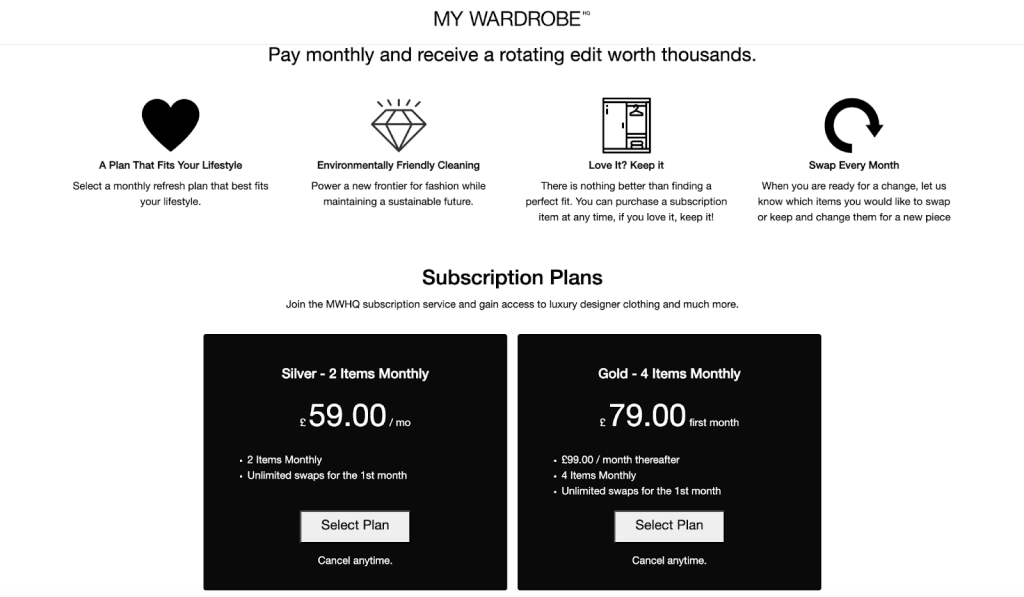
One factor that can help merchants reduce Shopify subscription costs is flexibility. Let’s understand how flexibility translates to low costs:
- When you can change frequency options, bundle offers, product swaps, and pause logic easily based on your requirements, you can reduce costs. If you require help from the development team for these actions, you’d incur a development cost
- Flexibility also helps reduce subscriber churn. You can create personalized offers to retain customers and reduce churn
Summing up
The cost of running shopify subscriptions is not a one-time single cost. It is an ongoing cost. Moreover, there are visible and hidden costs.
To ensure low costs and high profitability, you must approach your subscriptions holistically. Plan strategically by integrating an efficient subscriptions app.
Appstle Subscriptions App is designed for Shopify and Shopify Plus stores. The app has intuitive features, such as automation, dunning management, automated customer notifications, discounting, pause, skip, swap, and more. These features, when implemented properly, can help you reduce costs, increase customer retention, enhance experience, and help you reach subscription business goals.
Install Appstle Subscriptions App in your Shopify store today!