
Do you have subscription plans that see some customers buy a lot and the others buy the same month after month?
There’s an opportunity here that you might be missing out on.
We’re referring to hybrid subscriptions.
With hybrid subscriptions, you can earn more from customers who use your products the most. At the same time, your low average order customers will still stay.
When done right, hybrid subscription pricing can increase the average revenue per unit (ARPU). In this blog, we tell you how.
A sneak peek into the key ideas in this article
- Hybrid subscription pricing combines a fixed base fee with a variable usage-based fee, letting customers pay more only when they consume more
- Flat pricing limits revenue by leaving high-usage customers under-monetized and making low-usage customers feel like they’re overpaying
- ARPU increases naturally because power users pay for what they actually use, and add-ons feel like a customer choice rather than a sales push
- Three effective hybrid models: base membership + refill purchases, priority access + volume billing, and bundled starter kit + variable usage
- To prevent churn, keep billing fully transparent, give customers real-time usage visibility, and use billing touchpoints to highlight savings and value
- Operational watch-outs include more complex forecasting, needing third-party apps (like Appstle) to run hybrid billing on Shopify, and carefully managing margins as fulfillment costs rise with usage
1. What is hybrid subscription pricing?
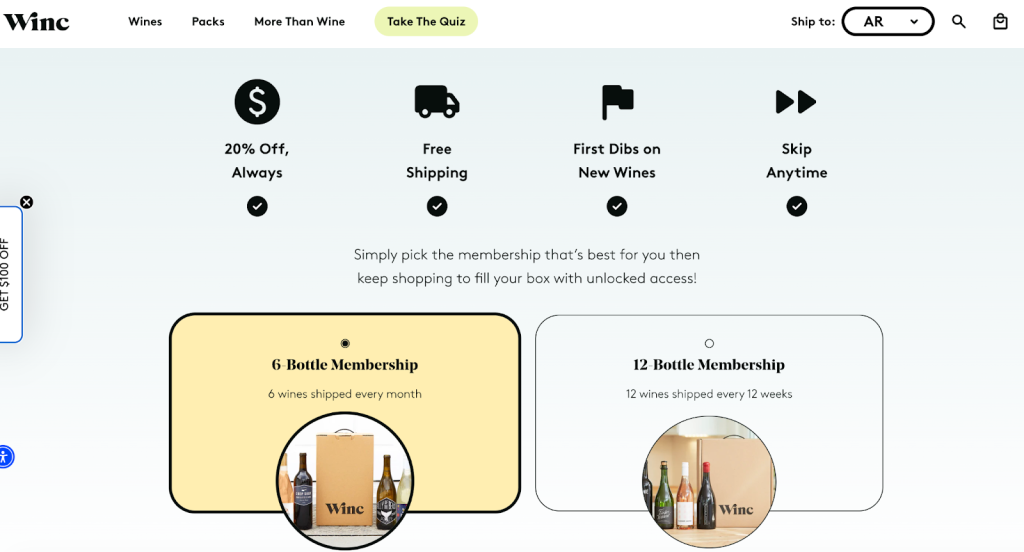
Hybrid subscription pricing combines billing layers – a fixed base fee and a variable usage-based fee. Customers pay the fixed base fee at every billing cycle, for example, every month or every quarter. The variable usage-based fee is tied to how much customers buy or consume.
The two layers
The base fee subscription model provides predictable revenue while the variable fee provides the extra value that customers receive. The base fee is a recurring amount the subscribers pay whether they buy anything or not. It is meant to keep their perks, such as free shipping, priority customer support, birthday rewards, etc. ongoing.
The usage-based or consumption-based fee is added to the base fee based on the usage. For instance, when the subscriber purchases extra products, extra refills, premium features, etc. This hybrid subscription pricing helps increase revenue.
How is hybrid pricing different from tiered pricing?
In tiered pricing, customers have to choose a plan and pay a fixed price for that plan, for example, Basic, Standard, or Premium. The tiered structure can get confusing for customers because they do not know which tier would work best for you. Moreover, it does not provide as much flexibility as hybrid subscriptions provide.
Hybrid pricing makes it easy for customers. The base fee remains constant and they pay more as per their increased or additional consumption. They do not need to switch plans if they want to purchase more. In the hybrid model, revenue increases organically as customers buy more.
2. Why flat pricing limits revenue potential
While a flat pricing subscription is simple and straightforward, it also has a few problems. Let’s look at some of its drawbacks:
1. It limits revenue potential
The flat pricing model leaves your best customers under-monetized. A part of your subscribers, even though small, might have more purchasing potential, compared to the others. For example, in a monthly coffee subscription, some subscribers might be finishing their coffee stock within three weeks. But because of the flat fee, they aren’t able to order more.
2. Your best subscribers remain under-monetized
Even though some subscribers might want to purchase more, or are happy to pay a premium price for your products, they do not have the mechanism to do so. You’re limiting your revenue because of fixed pricing.
3. Low-usage subscribers feel like they’re overpaying
Subscribers that do not use the plan too much might end up thinking that they’re overpaying for something they’re not using. This can lead to cancellations. This can be avoided by having an option of a lower base fee, as in the hybrid fee structure.
3. How hybrid pricing improves ARPU
ARPU (Average Revenue Per User) reveals how much value each subscriber is generating for your business. Hybrid subscription pricing increases ARPU in various ways:
1. Monetizes power users
In hybrid pricing models, power subscribers pay for what they use. Power users are customers who like your products and need more of it. They’re willing to pay a premium price for it. These subscribers can contribute more revenue to your business through hybrid subscription pricing. Here, you’re not increasing prices, you’re simply meeting the needs of your subscribers.
2. Add-ons become natural, not pushy
Hybrid subscription pricing makes add-ons an organic path. Subscribers who need additional products have the option of adding extra to their regular deliveries. This way, brands do not have to create upsell campaigns and offers for them. It is the subscribers’ voluntary choice, not a sales pitch. For instance, this works well for consumables, groceries, etc.
3. Creates perceived fairness
Customers who feel that they are paying for what they are using feel more satisfied, and are less likely to cancel. The hybrid subscription pricing model creates a sense of fairness. This works for both heavy users and low users. Low users feel protected by the base fee subscription model, while heavy users feel their spending is justified.
4. Hybrid subscription pricing models for consumable products
Products that customers require on a recurring basis, such as groceries, coffee, pet supplies, vitamin supplements, etc., are most suited to hybrid models. Here are some effective subscription ARPU growth strategies:
1. Base membership + refill purchases
Subscribers pay a weekly, monthly, quarterly fee that gives them access to subscription pricing, exclusive access, free shipping, reward points, etc. When they purchase more or extra products on top of their regular products, the amount gets added to their recurring fee.
For example, a coffee subscription priced at $10 per month includes one box of coffee, free shipping, exclusive access to new products, among other perks. When a subscriber buys an extra packet, they get it at a discount price of $8, and the price is added to their monthly order.
2. Priority access + volume billing
In this structure, subscribers get exclusive access to seasonal products, limited edition products, and high-demand products. Subscribers get first access with the base membership, and pay for what they buy.
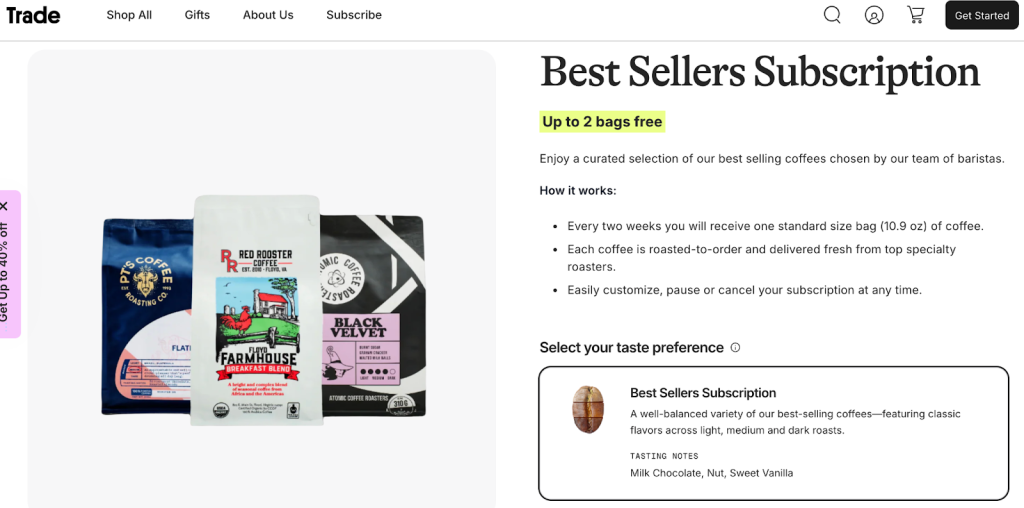
For example, this structure works well for premium-price products, such as wines, luxury fashion, luxury accessories, etc. The exclusivity and scarcity of the products make the subscription plan more valuable to customers.
3. Bundled starter kit + variable usage
This hybrid subscription pricing model offers a bundle to new subscribers. The monthly base fee or a one-time fee covers the bundle cost. The subsequent orders are charged as per the actual or discounted cost.
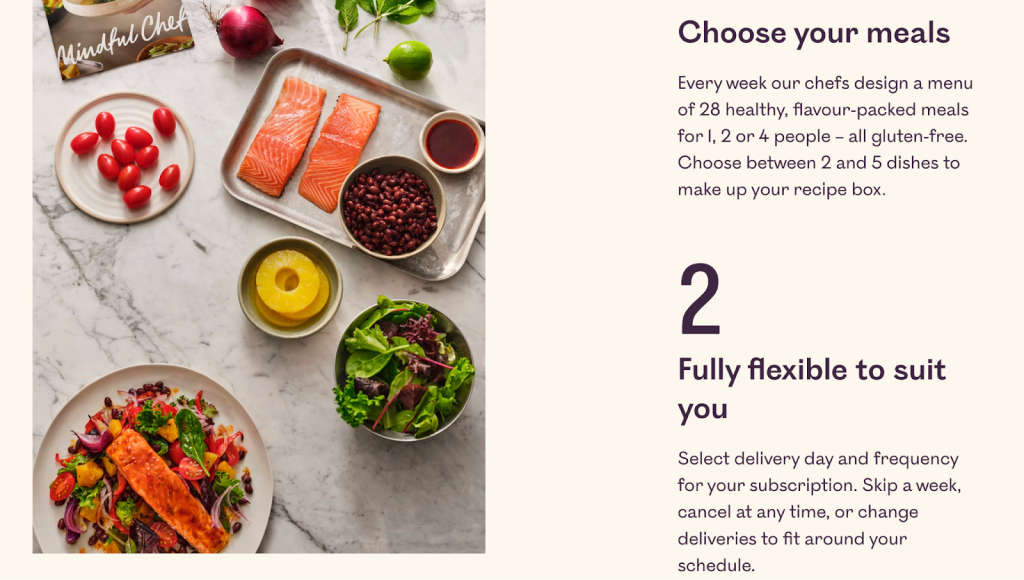
For example, say you offer a meal prep subscription. The first order can be a bundle, which includes boxes, knives, and a meal plan. The subsequent weekly orders will include only the meal prep packs containing vegetables and eatables. The subscriber can select the number of servings they need each week and get billed accordingly.
5. How to prevent churn in a hybrid subscription pricing model?
Variable billing can confuse customers and they might want to cancel subscriptions. Let’s learn subscription ARPU growth strategies and how to prevent churn in a hybrid subscription pricing model.
1. Make billing completely transparent
One of the biggest elements that leaves customers surprised and worried is hidden costs. These costs end up causing anxiety and make customers feel unpleasant. Here’s how to make your subscription billing transparent.
- Label every charged item clearly
- Base subscription fee, each usage event, applicable discount, total, etc.
- Send a pre-billing summary before the billing date
- Allow customers to adjust their orders before the billing date
2. Give customers real-time usage visibility
When you allow customers to see their spending in real-time, it automatically enhances their shopping experience. Here’s what you can do:
- Create a dashboard where they can see their usage in each cycle
- Show the amount pending to be billed
- Show a comparison between their last month and this month
- Enable alerts and notifications on spending
- Allow customers to set spending limits on their own
- Allow subscribers to make changes on their own. It builds trust
3. Communicate value at every billing touchpoint
Billing dates are touchpoints that can be used to communicate more than just the bill. Here are a few things you can do:
- Show subscribers everything they received in that bill amount
- Show the number of orders they placed
- Display the total retail value against the subscription discounted value
- Show their savings amount
- Show the amount they saved via free shipping
- Send email communication telling them how much they saved in that billing cycle
6. Financial and operational considerations of hybrid models
Hybrid subscription pricing can also pose some complexities compared to flat pricing. Consider these factors when you plan to set up a hybrid model.
1. Forecasting becomes more complex
In flat-pricing models, forecasting is simple because the model is straightforward. It doesn’t involve any changes in orders. But in the hybrid model, customers are charged based on their consumption, usage and orders. Hence, forecasting can be tough, but there are ways to tackle it.
- Create usage-based customer segments, for instance, light, medium, and heavy users
- Track the average usage per segment every month
- Over time, this data can make forecasting easy
- Hybrid models generate more revenue. Track periods when the revenue increases, such as annual sales, holiday season, new launches, etc.
2. Setting up hybrid billing on Shopify
Shopify’s built-in structure is designed for fixed billing models. But you can implement hybrid models through customization and by integrating third-party apps.
- Integrate payment apps that meet your requirements for hybrid, usage-based billing
- Appstle Subscriptions App is designed for advanced customization
- Set up automations for billing, discounts, and order alerts
- Test your billing flows before going live
- Set up customized cancellation management, churn management systems
3. Managing margins in a variable model
While higher usage is good for the business, it can also add to fulfilment and operational costs. For instance, more packaging, more shipping, more customer support, etc. Here are some things to do:
- Include all costs in your calculation – product cost, packaging, labor, shipping, storage, etc.
- Calculate a price that ensures a pre-defined margin
- Work out various pricing strategies to find the one that is most profitable for your business
Set up a hybrid subscription pricing model on your Shopify store
When planned strategically and smartly, hybrid subscription models can help increase customer engagement, revenue, and profitability. It can add a competitive edge to your business.
To get started, integrate a Shopify subscription app – Appstle Subscriptions.
Appstle is designed for Shopify and Shopify Plus stores to provide a comprehensive set of features for setting up, and managing subscriptions. Appstle integrates easily with third-party apps, making customization easier for brands.
Install Appstle Subscription App on your Shopify store today!