
For eCommerce brands, timing and speed are more important than you think they are.
Is your focus on acquiring subscribers? If your answer is yes, you may need to change your eCommerce subscription strategy.
Why?
Because acquiring subscribers can be a long process. What you need is an end-to-end customer journey that guides customers from their first purchase to long-term retention.
This subscription customer journey guide breaks down the stages and how you can optimize each one for consistent growth.
Let’s get started!
A quick look at the key concepts in this article
- Subscription-first vs. traditional: Traditional eCommerce funnels are transactional (discover → buy → hope for repeat); subscription-first funnels are relational, guiding shoppers through discovery, sign-up, renewal, deepening engagement, and advocacy.
- Stage 1: Attract the right customers, target products with predictable, recurring consumption (consumables, supplements, beverages, skincare) and use messaging that highlights convenience and savings.
- Stage 2: Help customers choose a plan, offer smart defaults/recommendations plus flexibility (pause, skip, swap) to reduce decision fatigue and signup anxiety.
- Stage 3: Optimize product pages, make subscription the visually prominent default, show savings/social proof upfront.
- Stage 4: Convert one-time buyers post-checkout, use personalized offers and reorder reminders right after purchase.
- Stage 5: Focus on the first three orders. Proactive delivery communication and onboarding/education to prevent early cancellations.
- Stage 6: Engage between cycles. Build community, loyalty perks, and a sense of “membership” to reduce churn.
- Stage 7: Grow subscriber value, drive upsells, add-ons, bundles, and premium tiers rather than stopping at retention.
- Track metrics, such as subscription conversion rate, first-to-second order retention, skip/pause rates, average subscriber LTV, expansion revenue, referral rate, and membership participation.
- Building a true subscription-first journey (not just a “subscribe” button) requires attention at every funnel stage. Appstle Subscriptions App for Shopify can help automate and optimize these stages.
What is a subscription-first customer journey?
A subscription-first customer journey is designed to drive first-time shoppers to long-term commitment. The design takes into consideration customers’ end-to-end experience at every stage of their journey. Let’s understand this against the traditional eCommerce journey.
Traditional eCommerce vs. subscription-first
Most eCommerce businesses follow the obvious subscription acquisition design.
- Customers discover products and services
- Customers purchase
- The brand hopes customers come back for repeat purchase
Now let’s see what a subscription-first design looks like.
- Customers discover products and services: Brands ensure they get discovered by customers who’d be potential buyers
- Customers subscribe: Customers make a deliberate and calculated choice to subscribe
- Renew subscriptions: Brands drive subscription renewals by ensuring subscribers find value from their plans
- Deepen relationships: Subscribers buy more, upgrade to higher plans, and take add-ons
- Subscribers become brand advocates: Happy subscribers become a referral and acquisition channel for brands
Do you see the difference between a traditional subscription and a subscription-first design?
Now let’s understand why businesses need a different funnel for subscriptions?
Why subscription businesses need a different funnel
The biggest difference between a traditional and subscription-first funnel is that traditional funnels are transactional, and the latter are relational. In one, customers buy once and then move on, while in the other, every stage of the customer journey is designed to build a deeper and longer relationship with customers.
7 stages of customer funnel in a subscription-first model
Stage 1: Attract customers who are likely to subscribe
Not every person shopping on the internet is going to be your subscriber. That’s because everyone’s preference and needs are different. This brings us to the first stage of building subscription-first customer journeys – attracting the right customers. Here are some cues:
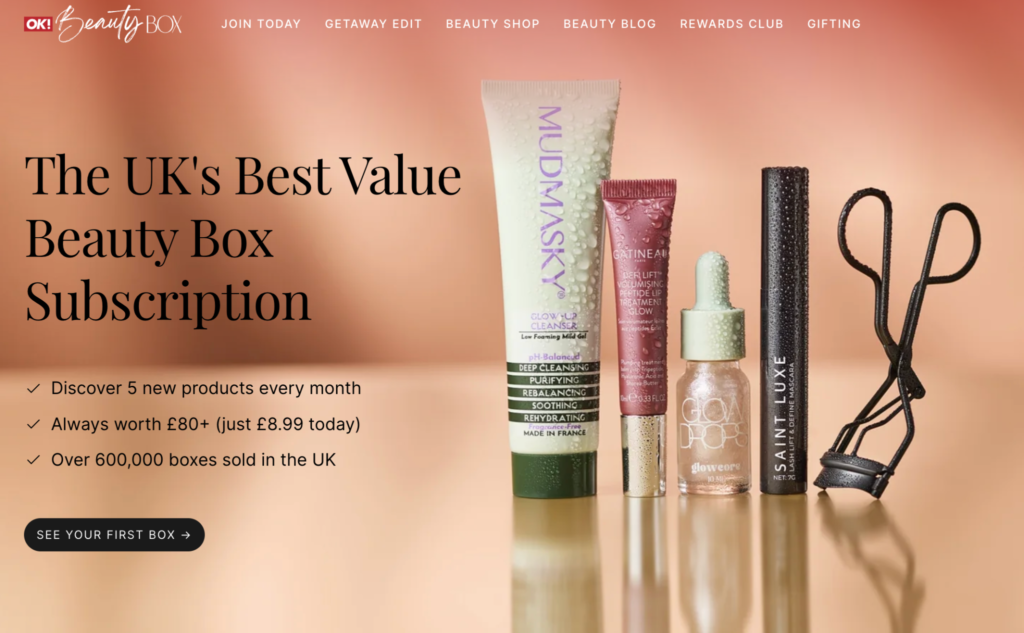
- Choose products that fit subscription models: Some products align well with subscriptions because they are based on how people consume them. For instance, consumables, like personal care and household goods. Other products include those that have a predictable, recurring use, such as health supplements and pet food. Others include coffee, tea, wine, and skin care products.
- Signals of subscription readiness: Before converting a shopper into a subscriber, look for behavioral signals that suggest they might be willing to sign up. Is a customer a repeat purchaser, and is the customer buying a product that will definitely need replenishing?
Here are some acquisition messaging ideas for subscription-first customer journeys:
- “Easy to restock so you never run out.”
- “Create consistent 30-day routines without the hassle of ordering again.”
- “Save 15% every month.”
Stage 2: Help customers choose the right subscription plan
Today, consumers are spoilt for choice. There are too many options, unclear claims made by brands, and ambiguous information. All this leads to decision fatigue. This is why you have to help your customers choose the right subscription plan. How do you do that? Let’s learn.
- Recommend plans and smart defaults: Instead of leaving customers to make decisions, provide them with options. For example, you’ll have to collect and analyze data to find out the most popular products and create badges or recommendations. Another thing to do is to write content and copy that motivates subscription sign up. For example, “1 pack lasts 30 days.” Also, create delivery frequencies based on product types and usage behavior.
- Provide flexible options to build confidence: Make sign-up decisions easier by providing flexibility and control to the customer. Add Pause, Skip, and Swap options. These remove fear and anxiety from subscribers.
At this stage, every strategy, marketing copy, and interaction should focus on making customers feel in control.
Stage 3: Optimize product pages for subscription conversion
When customers browse products, make subscriptions feel like the natural choice that makes sense. Here are some ways to do so:
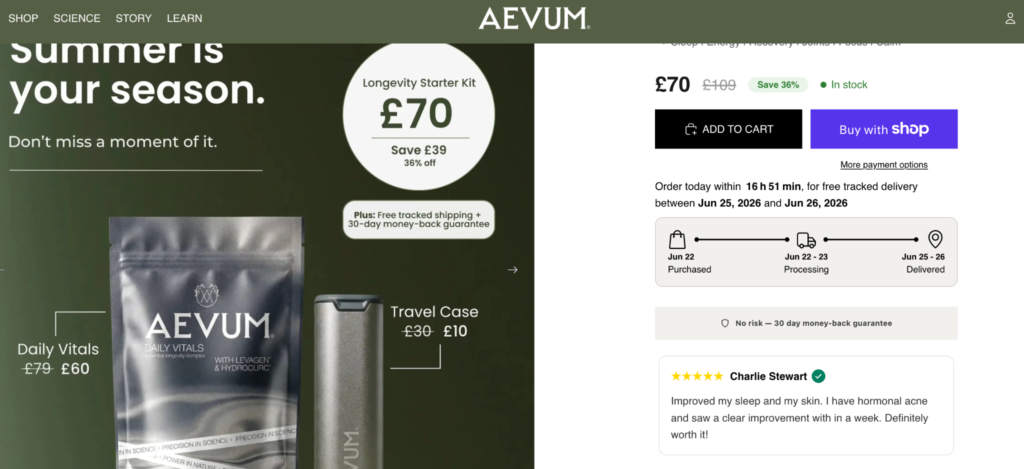
- Show subscription value immediately: Our attention spans are decreasing. Hence, the first thing to do is show the most important information to customers within the first few seconds of them landing on any page. For instance, highlight savings, convenience, and exclusive benefits of subscriptions. Additionally, you can show price comparison, for example, “Subscribe and save $120 every year.” These are reasons customers would commit to subscriptions.
- Show social proof: Display reviews from existing subscribers that specifically talk about delivery experience, flexibility, long-term benefits, etc. This sort of specificity influences customers more rather than general product reviews.
- Design pages with subscription focus: Instead of burying subscription information in some corner, make it visually prominent. Make one-time purchase a secondary option. This can have a psychological effect on customers, motivating them to sign up. For example, make subscription the default selection, choose a bright color for the button, and highlight subscription pricing.
Stage 4: Convert one-time buyers after checkout
Most customers prefer to try a product first and then commit to subscription. One-time buyers are an opportunity to drive subscription sign-ups. Since customers have used your products freshly, it’s the right time to coax them to sign up for all the benefits involved. Here are some strategies to drive sign ups into subscription customer journey:
- Post purchase subscription offers: The best time to turn customers into subscribers is when they just make a purchase. That’s because the customers have recently used the product. Share a personalized offer, such as “Subscribe now and lock in today’s price.” Make the sign-up process easy with one CTA, one benefit statement, and one click to subscribe.
- Reorder campaigns: Track product consumption data to understand when customers may need to reorder and send a reminder message. For example, “Running out soon?” This shows customers how helpful you are as a brand. Customers who liked the product the first time and who continue reordering it, may sign up for a subscription.
Stage 5: Focus on the first three orders
It often happens. Customers sign up for a subscription but cancel it within the third delivery round. That’s because they might realize it’s not working for them, they don’t like the products or their consumption is not so much. Here are some strategies:
- Set expectations through delivery communication: Send regular shipment notifications upon order confirmation, dispatch, out-for-delivery alerts, and delivery confirmation. Also, communicate the next billing date. Proactive communication reduces anxiety and can lead to long-term customer satisfaction.
- Subscriber onboarding and product education: Design onboarding email sequence based on the product. Share informative and educational information, guides, FAQs, tips, etc. However, your goal shouldn’t end at sharing information. Ensure you help customers experience the promised outcome as quickly as possible. When customers see the results by the third order, they may be more likely to stay.
Stage 6: Create engagement between subscription cycles
One of the best ways to create stronger connections in the subscription customer journey is to use the time and space between cycles. Instead of going quiet, create engagement strategies. Here’s what you can do:
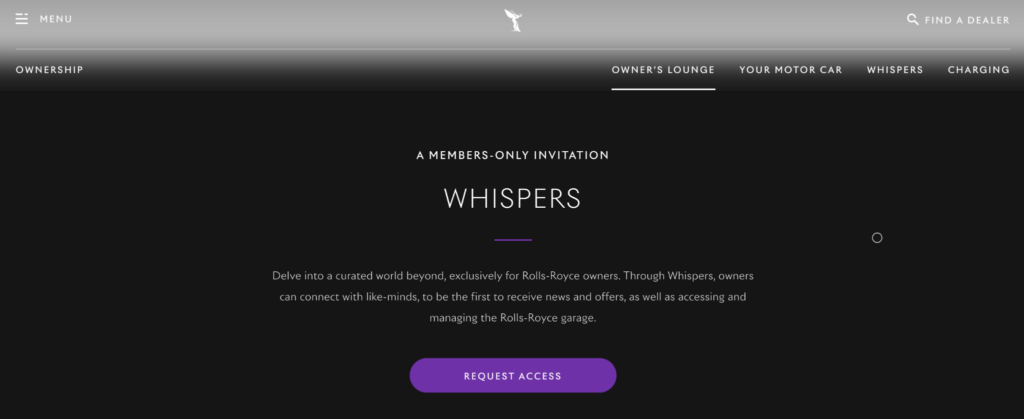
- Content and community: Create engagement via content and community. Create subscriber-only exclusive communities on online channels, as well as offline. Communities create a sense of belonging. Instead of saying “I have a subscription”, they say, “I’m a member.” Also integrate loyalty points and rewards into subscriptions.
Creating engagement touchpoints and interaction opportunities increases renewal possibility. Building stronger emotional connections with customers may prevent churn.
Stage 7: Turn subscribers into high-value customers
Don’t end your eCommerce subscription funnel at retention. The goal should be expansion by turning subscribers into high-value customers. So, instead of measuring only the retention rate every year, calculate how much value they generated that year. Here are some ways to do so:
- Upsells: Once a subscriber feels satisfied with a product, offer a complementary product and recommend a better product that adds value to them. It is easier to sell to existing subscribers than new customers.
- Add-ons: Allow subscribers to add a one-time or recurring add-on to their next delivery. This increases the average order value.
- Bundle upgrades: Offer a bundle that combines a subscriber’s current product with two more at a compelling price. It helps expand product usage and daily routine integration.
- Premium plans and membership tiers: As subscribers gain trust, they will be willing to pay more for VIP access and premium plans.
Metrics to measure at each stage in the subscription customer journey
Track and measure these metrics consistently to optimize your eCommerce subscription funnel.
Acquisition
- Subscription conversion rate: The percentage of visitors who subscribe vs. buy once. This reveals whether your subscription offer is compelling and your page is designed to convert.
Early retention
- First-to-second order retention: The percentage of new subscribers who complete a second order. This is your clearest signal of whether onboarding is working and whether the product is delivering on its promise.
Subscriber health
- Skip rate: A higher skip rate indicates customers want the product but not at the current frequency. It’s a signal to revisit default delivery settings.
- Pause rate: An increasing pause rate often leads to cancellation. Monitoring it gives you a window to intervene with engagement campaigns before the customer decides to leave.
Growth
- Average subscriber lifetime value (LTV): How much revenue a subscriber generates from sign-up to cancellation. This drives every acquisition spend decision and benchmarks your retention efforts.
- Expansion revenue: The incremental revenue from upsells, add-ons, and plan upgrades. Growing expansion revenue means your subscribers are deepening their relationship with the brand, not just maintaining it.
Loyalty
- Referral rate: You subscribers who bring referrals are your most cost-efficient acquisition channel and your clearest signal of genuine advocacy. A low referral rate despite good retention suggests customers like the product but don’t feel inspired to share it.
- Membership participation: In programs that combine subscriptions with a loyalty or membership layer, participation rate shows whether the broader value stack is landing or being ignored.
Set up a subscription-first customer journey for your Shopify store
To build a subscription-first journey, pay attention to every stage in the funnel, from attracting the right customers to engaging them once they sign up to driving value.
To build a successful subscription-first customer journey, you need a smart tool to support your eCommerce subscription strategy. That’s where Appstle Subscriptions App comes in.
Appstle is designed for Shopify and Shopify Plus stores with multiple built-in automation features. The app has features that can help you implement strategies at every stage. From multiple subscription types to intuitive rewards to analytics and optimization.
Install Appstle Subscriptions App in your Shopify store today!