

Loyalty programs have become an essential element for eCommerce brands, for both direct-to-consumer (DTC) and Shopify merchants. But setting up a proper loyalty program that is sustainable in the long run is easier said than done.
Small and DTC brands may not be able to achieve efficient loyalty programs. Moreover, standalone loyalty programs of single brands tend to face challenges with retention, data, technology integration, etc.
This is where small and DTC brands can benefit by joining a multi-partner loyalty network—an ecosystem where many brands come together to form a coalition program.
With multi-partner loyalty networks, customers can earn and redeem points from many different brands that are a part of the network. This benefits partner merchants in various ways.
In this blog, we look at how joining a multi-partner loyalty network can benefit your DTC and Shopify brand.
A quick snapshot of ideas in this blog
- Multi-partner loyalty networks allow customers to earn and redeem points across multiple brands, increasing the perceived value and utility of each point earned.
- Faster point accumulation across partner brands keeps customers more motivated and engaged compared to single-brand programs where earning sufficient points can take years.
- Network partners benefit from shared customer acquisition, gaining visibility and discoverability among existing members without heavy marketing investment.
- Access to larger, aggregated customer datasets enables better personalization and targeting strategies across the network with proper consent.
- Broader ecosystem lock-in improves retention rates since customers are less likely to abandon value accumulated across multiple brands.
- Smaller DTC brands can offer premium rewards by pooling resources with partners, making high-value incentives like travel experiences financially sustainable.
- Association with established brands in the network builds credibility and trust for newer or smaller merchants.
- Shared infrastructure and technology costs make advanced loyalty programs accessible to DTC and SME brands that couldn’t afford standalone systems.
- Seamless integration with existing eCommerce platforms through shared APIs and pre-built connectors simplifies implementation for all partners.
10 benefits of joining a multi-partner loyalty network
Starting from easy set up and collaborative opportunities to the ease of integrating advanced technology at lower costs, here are the many benefits of joining a multi-brand loyalty network.
1. Higher perceived value of every point earned
One of the biggest benefits of a multi-partner loyalty network is that your customers get to enjoy benefits from multiple brands. Customers can earn points from one brand and redeem them across multiple brands or merchants. This increases the utility of every point customers earn, whether from your brand or a partner from the network.
For instance, when customers know they can earn points from their daily coffee and use those points against buying fashion wear, each point becomes more valuable. This increases engagement with your brand. For your brand, it enhances the loyalty program popularity.

2. Faster point accumulation leads to higher motivation
One of the biggest challenges of a single-brand loyalty program is that customers have to wait a lot, sometimes years, to earn enough points to be able to use them. However, this issue is eliminated in a multi-partner loyalty network.
Customers can earn points from various brands, making points accumulation faster. And when customers can accumulate points faster, they feel more motivated to purchase more. This keeps them engaged because points seem to be more achievable. Earning more points from multiple brands and having the ability to use them has a psychological effect.
For partner merchants, faster points accumulation and higher points redemption have a positive impact on sales and profits. Moreover, brands can scale their loyalty programs much faster.
3. Expanded earning and redemption opportunities
It’s hard for single-brand loyalty programs to match the excitement and flexibility offered by multi-partner network loyalty programs. For instance, customers can earn points from A and redeem them with B. They can mix and match brands based on their preference. This enhances customer experience.
For example, a customer might end up discovering your brand through the partner network. Even though they might not buy from your brand right away, they will keep you in mind and buy from you when the need arises.
Multi-partner network loyalty not only provides options of brands to your customers, it also provides flexibility. This can lead to increased loyalty because customers won’t feel stuck with your brand.
4. Shared customer acquisition among network partners
With increasing competition amongst brands, customer acquisition costs keep rising. But when you are a part of a multi-partner network loyalty system, you can acquire customers without investing a lot. Multi-partner setups have a built-in discovery system enabling customers to discover new brands.
For instance, when a new customer joins the loyalty program, your brand gets visibility. Discoverability and visibility can increase with the help of partner campaigns, communication, etc. For example, a new customer might simply explore all the brands in the network, via the website of another network partner.
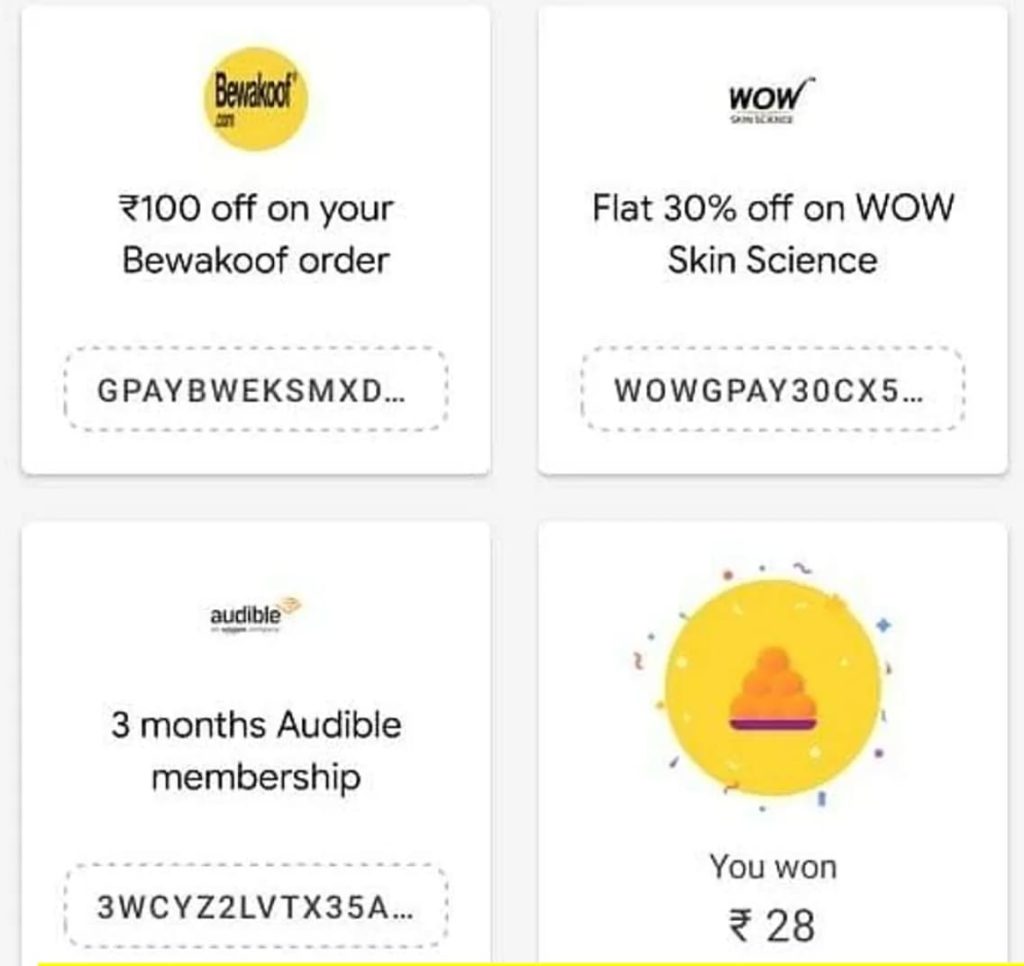
Example: Google Pay rewards and offers
5. Larger customer datasets for segmentation and personalization
For eCommerce brands, it is critical to collect data. DTC brands end up struggling with limited customer data due to their small scale. But well-structured multi-partner network loyalty programs can provide more data about customers. For example, purchase history and behavioral insights.
When you have proper consent and privacy regulations in place, you can gather deeper customer understanding. For instance, you can gain insights from customers’ shopping patterns, engagement behavior, and preferences from across brands, not just your brand.
With this data from your multi-partner network, you can enhance segmentation and personalization strategies. For example, for customers who bought a specific product from another partner, you can recommend complimenting products and send offers to encourage them to explore your catalog.
6. Increased retention due to broader ecosystem lock-in
Multi-partner network loyalty programs tend to have higher retention rates because customers do not want to lose value from so many brands. This broader lock-in effect benefits all partners because churn is costly to brands. More churn means more acquisition and promotional spends.
Moreover, customer preferences and interests keep changing. Hence, even if a customer stops engaging with one partner brand, they’ll choose another from the same network and engage within the ecosystem. There are higher chances of customers returning to brands within a multi-partner network than in single-brand loyalty programs.
7. Ability to offer premium rewards you wouldn’t support alone
Smaller DTC brands might not be able to offer high-value rewards. For example, a travel experience or exclusive events. Even if they do offer it one time, they won’t be able to sustain premium rewards. But with multi-partner network loyalty, it is possible for you to offer high-value rewards.
Partner brands often pool in resources and leverage their collective strength to offer premium rewards. For instance, airline tickets, hotel stays, exclusive merchandise, etc. Premium rewards enhance the loyalty program across brands. Customers get the feeling that the program is valuable, leading to more engagement.
8. Stronger brand credibility and trust via association
For new Shopify and DTC stores, building credibility can be a challenge. It is human tendency to be extremely cautious when trying new brands. However, a multi-partner network loyalty program can make this easier for brands.
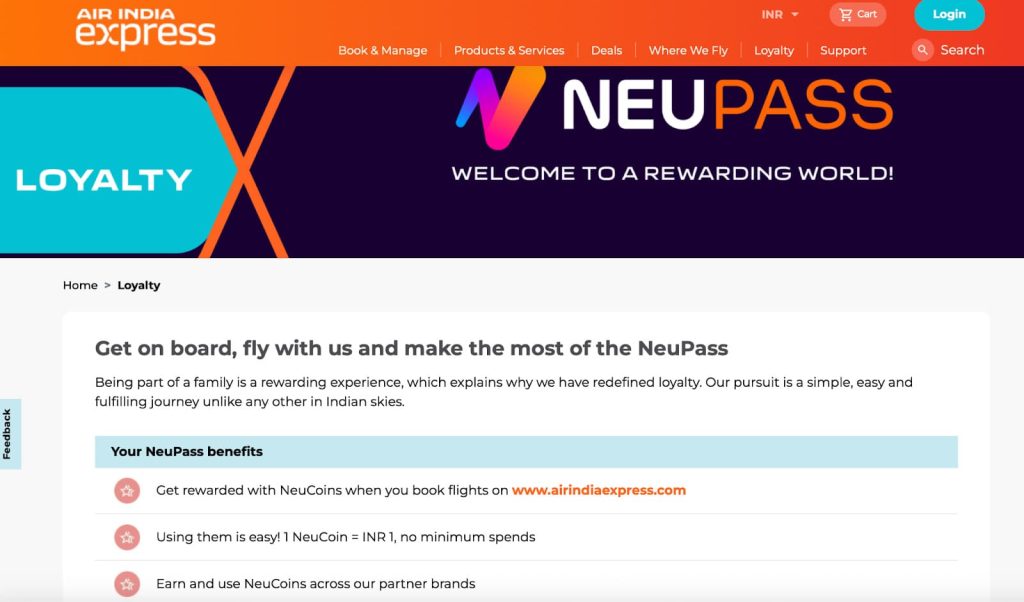
A multi-partner loyalty network automatically creates credibility and confidence because there are many brands involved. Moreover, if there are a few established and known brands within the network, it is much easier for customers to build trust. When customers are a part of a respected group of brands, they are more willing to give a chance to smaller and newer brands.
9. Lower loyalty program costs for DTC and SME brands
Building loyalty programs can be cost-intensive, think technology, infrastructure, website, customer support staff, reward fulfilment, marketing, and ongoing expenses. It may not be easy or possible for smaller DTC brands to start proper loyalty programs.
But multi-partner network loyalty programs distribute these costs across the network. This reduces the burden and expenses on a single brand. Shared infrastructure means each partner brand is paying a fraction of what the entire program would cost.
Moreover, rewards also get distributed. This sort of economic benefit enables smaller, DTC brands to run loyalty programs efficiently, which they would not have been able to otherwise.
10. Seamless integration with modern loyalty tech
For eCommerce brands, having a robust technology infrastructure is extremely critical. But technology is also cost-intensive. DTC and smaller Shopify brands may not have the resources to set up advanced technology. But with multi-partner loyalty networks, this challenge has a solution.
Multi-partner programs often invest in technology, ensuring APIs, pre-built connectors, and Shopify apps integrate seamlessly with the entire network ecosystem. A single tech team can manage the system for all the partner brands. This not only makes economic sense, but also makes functions seamless.
The technology integration connects the existing systems of each partner brand with the loyalty system set up of the multi network. This ease of implementation makes it easy for merchants to join loyalty networks, even for small DTC brands.
Should you join a multi-partner loyalty network?
Multi-partner loyalty networks present many benefits for DTC and Shopify merchants. From shared resources to increased audience reach to higher retention, these are some benefits that single-brand loyalty programs may not be able to offer.
If you’re a Shopify brand looking to join a multi-partner network, you can reap benefits and grow your loyalty program with lesser effort. However, you must have a strong loyalty program system within your Shopify store.
Appstle Loyalty & Rewards App offers comprehensive features to set up and manage loyalty programs.