
Ecommerce stores rarely have a single customer segment. Think multiple customer segments coming in from various platforms, locations, and sources.
And these multiple customer segments may have different buying habits, spending patterns, and expectations. Therefore, a one-size-fits-all approach doesn’t work.
A first-time customer, a regular buyer, a high-value customer and a subscriber should not receive the same offers or benefits.
And this is not as easy as it seems. Managing different retention programs, such as subscription, loyalty, and memberships, providing a consistent experience can be a challenge.
That’s where Shopify customer segmentation comes in. A strategy that involves segmenting customers based on behavior and value, and matching each segment with relevant retention mechanisms through integrated workflows can work well.
In this blog, you will learn how to segment customers, tailor subscriptions and membership offers, and how to connect loyalty incentives to each segment to create a consistent customer experience.
Let’s get started!
Why you need segment-specific retention strategies
Today, eCommerce brands cater to customers from multiple generations, locations, preferences, and backgrounds. It is impossible that every customer behaves in the same manner or generates the same amount of revenue for your store.
And so, when you offer generic discounts and benefits, it may not attract all customers. Moreover, customers need different incentives at different stages of their journey.
That is why Shopify customer segmentation for eCommerce has many benefits, specifically, to manage subscriptions, loyalty and memberships across customer segments. Here are some:
- Higher repeat purchase rates: First-time buyers get a clear reason for a second order
- Higher subscription adoption and retention: Your subscription offers to customers are more relevant and make sense
- Better membership engagement: Benefits match what members value
- More relevant rewards and offers: It lifts redemption and reduces waste
- Improved customer lifetime value (CLV): Combined result of all of the above
6 customer segments to consider for your Shopify store
Here’s a table that shows six customer segments, which customers are included in each segment, goals of the segment and how to achieve them.
| Segment | Definition | Goals | How |
| First-time buyers | Customers who have placed one order but not yet built a buying habit | Get them to place a second order and build trust | Offer welcome rewards or points after the first order Offer bonus points for joining Make sign up a one-click experience Send educational content and product guides |
| Repeat and frequent buyers | Customers who purchase regularly but are not yet in a formal subscription or membership | Increase frequency and continued engagement | Offer points for repeat purchases Offer milestone rewards Create bundles to increase AOV Create subscription offers on products they regularly reorder |
| High-value and VIP customers | Customers with high order values and high lifetime value | Strengthen loyalty | Create exclusive VIP tiers with real benefits Provide early access to new products, restocks Offer higher-value rewards and store credits Create premium memberships with exclusive perks Create personalized bundles and offers based on purchase history |
| Subscription customers | Customers who have signed up for recurring purchases | Improve subscription retention and increase value | Offer exclusive discounts and rewards Flexible delivery frequencies Loyalty points for each recurring oder Exclusive bundles or add-ons Rewards for subscription milestones |
| Deal-seeking and discount-driven customers | Customers who buy when a discount or offer is available | Encourage repeat purchase | Points-based rewards instead of repeated percentage discounts Threshold-based incentives Limited-time member offers Bundles that increase perceived value |
| Lapsed or at-risk customers | Customers who haven’t purchased within their expected buying cycle or whose engagement has dropped | Reactivate them before you lose them | Create targeted win-back rewards Offer personalized product recommendations based on past purchases Subscription reactivation offers Loyalty point reminders |
How to match subscriptions, loyalty, and memberships to different customer segments?
Another aspect of managing subscriptions, loyalty and memberships across customer segments is to match them properly. Most often, the three programs are interchanged as retention tools. But they are not interchangeable. Each solves a different problem.
- Subscriptions: Make repeat purchases automatic
- Loyalty programs: Make repeat purchases rewarding
- Memberships: Make the relationship feel exclusive
The goal is not to force every customer into every program. It is to use each mechanism where it fits, and to let them reinforce each other where they overlap.
Let’s look at each retention program—subscription, membership, and loyalty—seperately and how to match customer segments to each.
Subscriptions: Build predictable repeat purchases
Subscriptions work best when customers buy a product at regular intervals. By subscribing they do not have to think about reordering every time.
How to apply them well:
- Start with the product, not the customer. Identify which products are replenishable: things that run out, wear down or get used on a schedule.
- Base plans on real usage. If a typical customer finishes a product in 45 days, offering only a 30-day plan creates stockpiles and cancellations. Offer 30, 45 and 60 days, or let customers choose.
- Offer flexible delivery schedules. Different households use products at different speeds.
- Create subscriber-exclusive benefits: a modest discount, free shipping, early access, bonus points, or subscriber-only add-ons.
- Prioritize the right audiences: Repeat buyers and customers purchasing replenishable products are the best prospects.
Loyalty programs: reward engagement and repeat purchases
Loyalty programs are the most flexible tool because they can apply to almost every segment, and because they reward more than purchases.
How to apply them well to manage subscriptions, loyalty and memberships across customer segments:
- Offer rewards for more than purchases. Give points for account creation, reviews, referrals, social follows, and birthdays, etc.
- Differentiate rewards by behavior and status. Offer new customers points at a standard rate, and top-tier customers more points.
- Set milestones to recognize progress.
- Enable different redemption options, for example, store credit, free products, free shipping, exclusive items, etc.
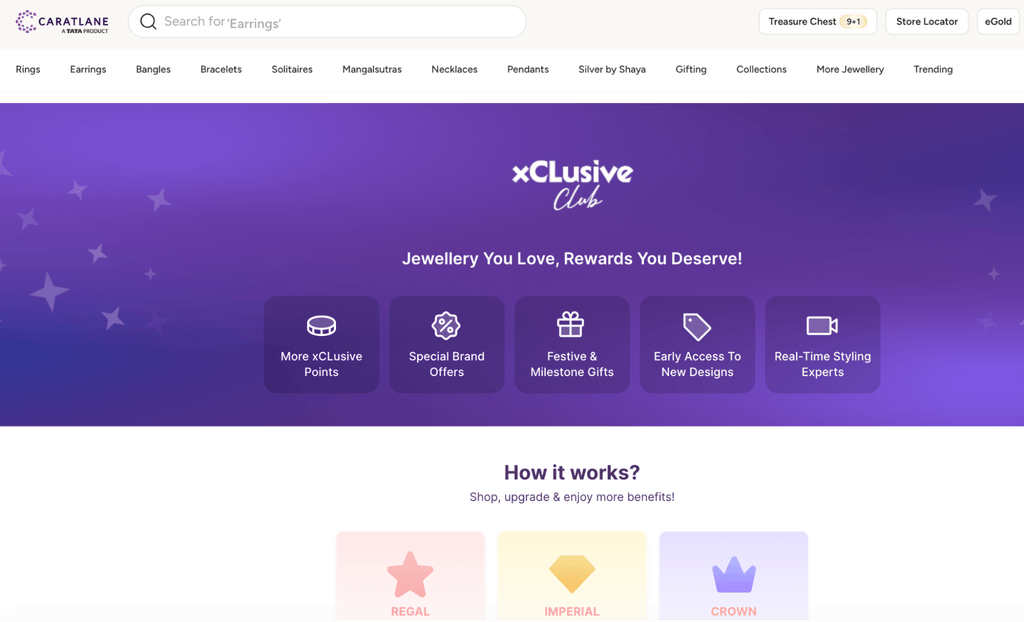
Memberships: Recognize and retain high-value customers
Memberships can be paid, free, or invitation-only. Customers can make sign-up decisions easily when they know what they’re getting.
Here’s how to apply them:
- Define the benefits of membership programs for eCommerce clearly, especially paid memberships because customers want to know what they get in return.
- Offer meaningful perks, such as member pricing, free shipping, early access, exclusive products, or special experiences.
- Build levels around customer value and engagement; for example, a basic tier offers free shipping, and a premium tier offers early access and gifts.
- Give members reasons to stay active by offering ongoing benefits, and introducing new experiences from time to time.
Which mechanism to use for which segment?
| Segment | Mechanism |
| First-time buyers | Loyalty and introductory subscription offer for replenishable products |
| Repeat buyers | Loyalty and subscription for steady reorder items |
| VIP customers | Membership and tiered loyalty and subscription |
| Subscribers | Subscription perks and loyalty points for recurring orders and membership upgrade |
| Deal-seekers | Points-based loyalty and limited-time member offers and bundles |
| Lapsed customers | Loyalty point reminders and win-back rewards and reactivation offers for subscriptions and memberships |
7 strategies to manage retention programs across customer segments
Here are seven strategies you can apply to manage subscriptions, loyalty and memberships across customer segments.
1. Define segments using purchase behavior and customer value
Start by analyzing data you already have in Shopify and your retention tools, such as:
- Purchase frequency
- Average order value (AOV)
- Total spend
- Recency (days since last order)
- Subscription status
- Loyalty activity (points earned, redeemed, tier)
- Membership participation
Use the Recency, Frequency and Monetary value (RFM) analysis. You can score each customer on all three factors, (for example, from 1 to 5), and then group customers by score combinations.
Here’s how to use the results:
- High on all three: stars or VIPs
- High frequency, lower spend: loyal regulars
- High past value, low recency: at-risk or lapsed customers
- Low on all three but recent: new customers
Let’s understand this with an example. A customer scoring 5-5-5 is a champion. A customer scoring 2-4-4 used to buy often and spend well but has gone quiet: a high-priority win-back target.
Tip: It is better to have five or six segments you actually act on than fifteen you can’t manage. Every segment should come with a clear goal, an offer and an owner. If you can’t describe what you’ll do differently for a segment, merge it with another.
2. Assign different retention goals to each segment
Segmenting without a clear goal is of no use. Therefore, decide what you want each group to do, and then create experiences around that action.
| Segment | Retention goal |
| First-time buyers | Make a second purchase |
| Repeat buyers | Increase purchase frequency |
| VIP customers | Maintain engagement and increase lifetime value |
| Subscribers | Renew and remain subscribed |
| Lapsed customers | Return and purchase again |
Tip: Write each goal as a measurable sentence. For example, increase first-time buyers who place second orders within a month from 20% to 30%.
3. Personalize subscription offers and billing experiences
Personalization increases eCommerce revenue by 5% to 15%. And when it comes to subscriptions, how it aligns with customers’ preferences influences its success. Here are some effective ways to personalize subscriptions:
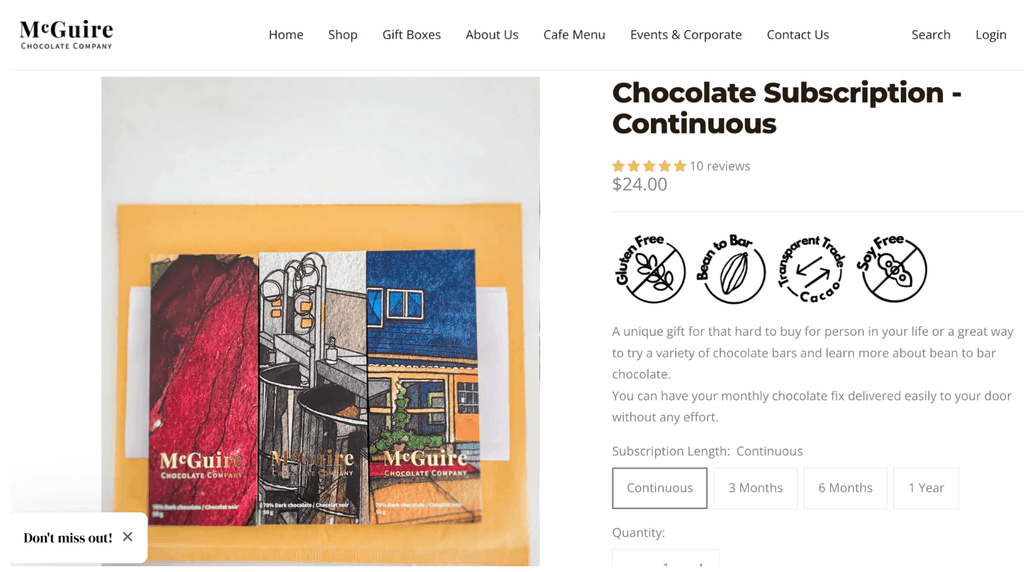
- Recommend subscriptions based on product type and buying behavior. For instance, show the subscription option most prominently on replenishable products, and to customers who’ve already reordered.
- Offer different delivery frequencies. Providing just one delivery frequency and rigidity in allowing changes often leads to early cancellation.
- Create subscriber-exclusive bundles or incentives. For instance, offer a discounted add-on in their next shipment.
- Let customers manage their own plan. Choose subscription apps that have features that allow customers to pause, skip, swap products, change frequency or update billing details without contacting support.
- Avoid pushing subscriptions on the wrong customers. If a regular customer buys only once every six months, a subscription will probably end in a cancellation and a frustrated customer.
- Create a good billing experience. Send reminders before charges, communicate failed payments, and make the next shipment date visible. Customers tend to leave when there are surprise charges.
4. Create relevant loyalty tiers and reward structures
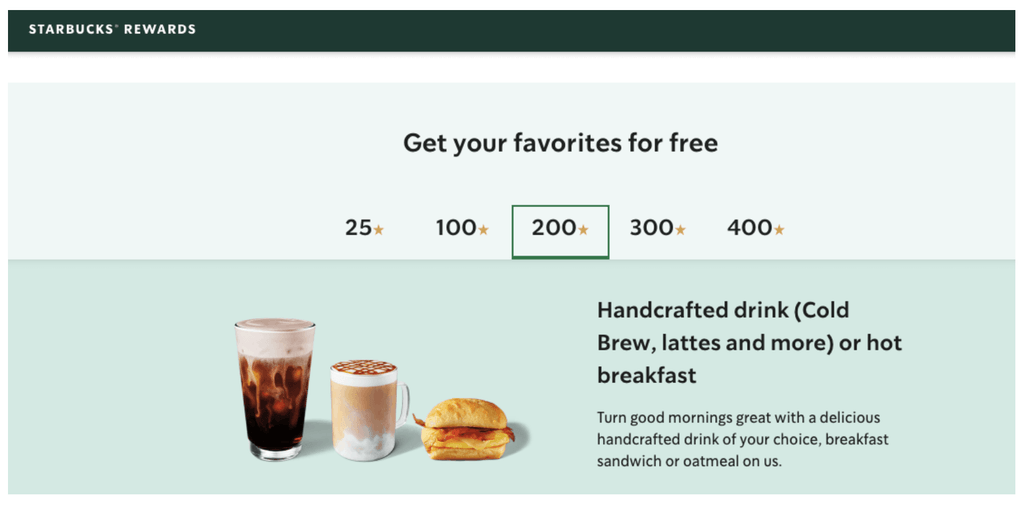
Loyalty programs work well when the tiers align with each customer segment. When customers feel like they are able to easily earn loyalty points and rewards, they are more engaged with the program. Here’s how to create relevant reward and loyalty structures:
- Build tiers around meaningful milestones. For example, around total spend, number of orders or engagement actions.
- Make benefits more valuable as customers progress. Each tier should offer something clearly better than the last.
- Consider different structures for different groups. Frequent buyers may prefer order-based milestones, while high-value customers may be more attracted to status, early access and premium perks.
- Keep earning and redemption simple. If you make the rewards and points structure complicated, customers may not understand it.
- Reward profitable behavior. Make sure rewards encourage repeat purchases, higher baskets and referrals rather than training customers to wait for discounts.
5. Design membership benefits around customer needs
Subscribers tend to spend 2.5 times more than non-subscribers. However, value is important in subscriptions and memberships. Customers only stay when the benefits they receive outweigh the cost and effort. Here’s how to create membership benefits that are valuable:
- Find out what different groups want. Use surveys, support conversations, reviews and purchase data. Do heavy users want free shipping? Do fans want early access? Do gift buyers want extended returns?
- Choose benefits that are both valuable and cost-effective for you. For example, exclusive pricing, early access, premium support, free shipping and member-only products.
- Create tiers with progressively valuable benefits. For example, Basic tier with free shipping and member pricing, Plus tier with Basic plus early access and a monthly perk, and Premium with Basic and Plus tier benefits plus exclusive products, priority support and gifts.
- Make the value obvious before asking people to join or pay. Show a simple comparison of what members get and, if possible, how much a typical member saves.
6. Connect customer data across retention programs
Managing multiple programs, such as subscriptions, memberships, and loyalty involves data from all these programs, and connecting this data can be a challenge. For instance, not only does data and information have to be shared between these platforms, it also has to be consistent and correct.
Here’s what well connected multi-program structures look like:
- A shared view of the customer: Subscription status, purchase history, loyalty tier and membership level should all inform what each customer sees and receives.
- No conflicting or duplicate offers: A subscriber shouldn’t get a “subscribe and save” pop-up. A VIP shouldn’t get a welcome-offer email. A member shouldn’t get a discount code that stacks unintentionally with member pricing.
- Automation to keep systems in sync: Use integrations, tags and metafields to carry key information, such as segment, tier and subscription status, between your tools and your Shopify customer records.
- Defined rules for status changes. Decide in advance what happens when a customer’s situation changes. For instance, if a subscriber cancels, do they keep their loyalty points? Do they lose subscriber-only benefits immediately or at the end of the billing period?
Tip: Write these rules down to ensure customers receive consistent information and answers.
7. Monitor segment-level performance and optimize
For all the programs, track performance of each segment. An overall rate of each program cannot reveal a clear picture of what’s happening. For instance, a program may show a good repeat purchase rate, but it might not reveal that the first-time-to-second-purchase rate is poor.
Here’s what to track for all segments of all programs to successfully manage subscriptions, loyalty and memberships across customer segments:
- Track each segment separately against its goal.
- Compare before and after when launching a new offer, ideally using a holdout group that doesn’t receive it, so you can see the true effect.
- Look for patterns, such as which segments churn fastest, which are least engaged, and which have the most room to grow?
- Optimize based on date: Change subscription offers, reward structures and membership perks based on results, not assumptions.
- Review on a regular schedule, such as monthly for operational metrics and quarterly for deeper programme reviews.
- Keep monitoring regularly: Retention effects take time to appear and may require a few buying cycles before revealing a clear picture.
Common mistakes to avoid when managing multiple retention programs
Avoid these common mistakes to successfully manage subscriptions, loyalty and memberships across customer segments.
1. Creating too many segments without a clear purpose
Every segment needs its own offers, messaging and reporting. If you can’t say what you’ll do differently for a segment, you don’t need it.
2. Offering the same rewards and benefits to every customer
Offering the same rewards across segments is simple, but it wastes money on customers who don’t need incentives and underwhelms those who want recognition.
3. Treating subscriptions, loyalty and memberships as interchangeable programs.
These three programs are designed for different goals. A discount-heavy subscription isn’t a loyalty program, and a membership isn’t just a discount club.
4. Offering discounts that erode margins without improving long-term retention
Always connect incentives to a behavior you want and a margin you can afford.
5. Failing to synchronize customer data across apps
This leads to duplicate offers, wrong messages and frustrated customers.
6. Making subscription or membership benefits hard to understand
If a customer can’t explain what they’ll get in one sentence, they’re unlikely to sign up or stay.
7. Measuring total program performance without analyzing individual segments
Averages hide the story. Break results down.
8. Launching everything at once
If you introduce a subscription, loyalty program, membership and five segments at the same time, you can’t tell what’s working. Hence, roll out in phases.
Here’s a simple rollout plan
| Weeks | Plan |
| Week 1 – 2 | Pull order data, identify your RFM groups and note which products are replenishable |
| Week 3 – 4 | Choose five or six segments, assign a goal and a metric to each, and document the rules for how programs interact |
| Month 2 | Launch the foundation, usually a loyalty program and a subscription option on your most replenishable products |
| Month 3 | Add targeted layers. Introduce VIP tiers or a membership for your highest value customers |
| Ongoing | Review segment-level results monthly, adjust offers, and remove what’s not working |
How Appstle helps Shopify brands manage multiple retention programs
Defining segments and deciding strategies is just the beginning. The actual work is to set up tools and processes that run those programs. And that’s where Appstle comes in. Here’s how Appstle apps help:
- Appstle Subscriptions: Supports recurring purchases through flexible subscription plans, billing options and subscriber self-service. This helps you offer the right delivery frequencies for different customers and gives subscribers control over their own plans.
- Appstle Loyalty & Rewards: Enables you to reward customers through points, discounts, store credit and exclusive offers. This supports first-purchase rewards, milestone incentives and points-based alternatives to constant discounting.
- Appstle Memberships: Helps create membership plans with different tiers, perks and exclusive benefits, which is useful for VIP programs and premium offerings.
- Appstle Bundles & Upsells: Lets you offer product combinations and bundle discounts that support different purchasing preferences and can lift average order value.
These Appstle apps make it easy for Shopify and Shopify Plus brands to set up connected customer retention programs. With Appstle, you can integrate subscriptions, memberships, loyalty, and bundles and maximize performance and ROI.
If you’re looking to set up a connected customer retention strategy that touches upon every customer segment, explore Appstle Apps.